No One Flies Alone - ZEMIR POPOVAC
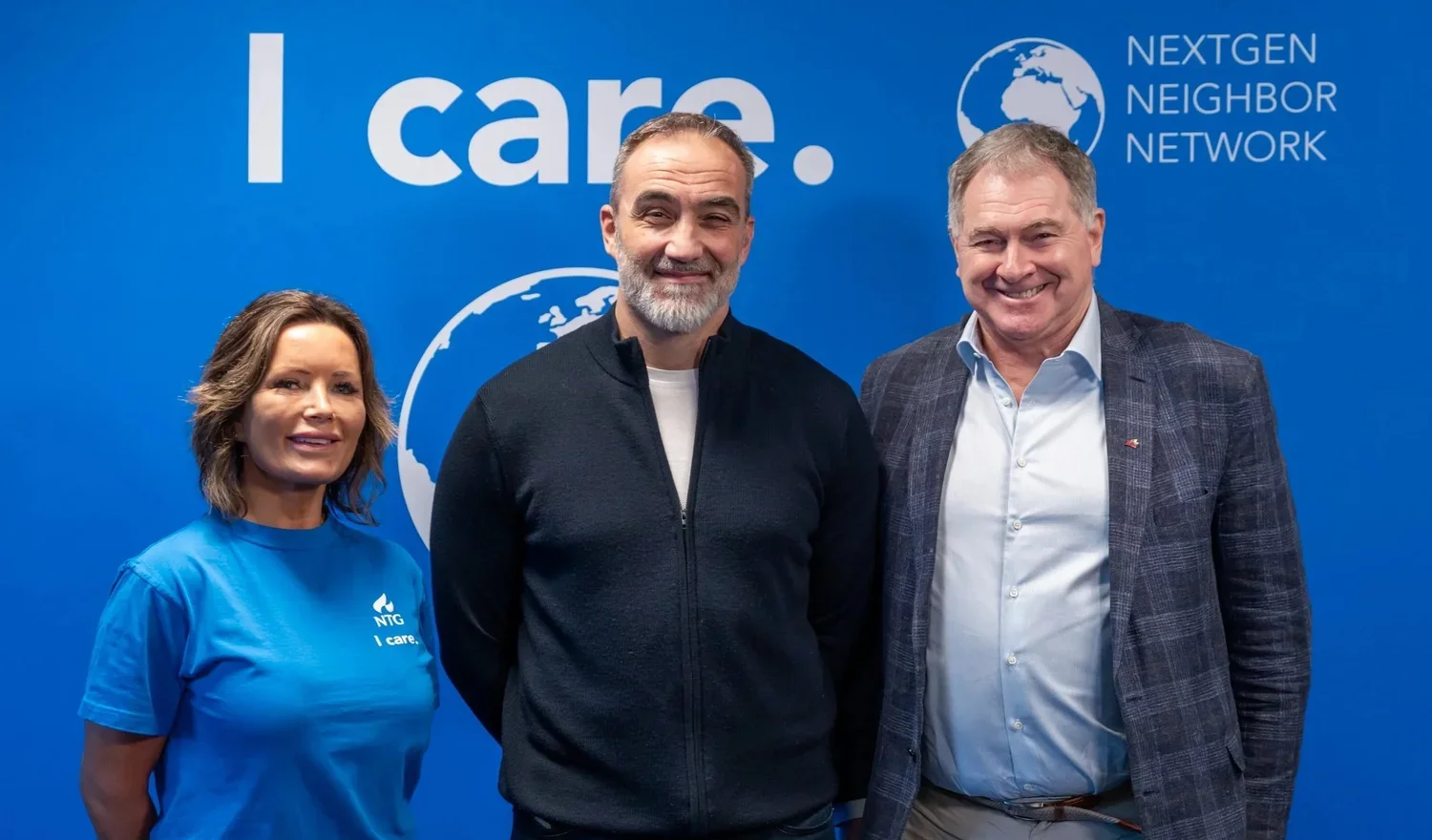
Supporting inclusive sports is an investment in people – not just in athletic achievements.
There is an old story about the bumblebee.
According to the scientific calculations of the time, the bumblebee should not be able to fly. Its body is too large. It is too heavy. Its wings are too small. The relationship between its body weight and wingspan makes it seemingly impossible for the bumblebee to lift itself off the ground. Everything about the bumblebee suggests that it should not be able to fly. But there is just one problem with this conclusion.
The bumblebee flies anyway.
It flies because it knows nothing about the calculations. It has never read the textbooks. No one has told it that its wings are too small or that its body is too heavy. It does not know that, according to someone else's assumptions, it should not be able to fly. So it simply does what it was made to do. It spreads its wings – and flies.
I have thought a great deal about this story. It reminds us of something important: What other people perceive as our limitations does not necessarily reflect our true potential.
And this applies not only to people of short stature or people with disabilities. It also applies to children and young people growing up in poverty, in families with limited resources, or in communities where opportunities to participate in sports, culture, and the arts are scarce.
As a psychologist, I am deeply concerned with something fundamental: We human beings are different, but our basic psychological needs are the same.
We all need a sense of belonging. To be part of a community. To experience a sense of achievement and competence. And to feel that we matter to others – what we call mattering.
We share the same needs, but we do not all have the same opportunities to fulfill them.
Some encounter open doors. Others face obstacles. Some are practically handed opportunities, while others need help just to recognize that those opportunities exist. And this is where our responsibility as fellow human beings and as a society comes in.
Because inclusion is not simply about inviting people in. It is also about creating the conditions that allow them to truly participate, contribute, succeed, and experience a sense of belonging.
Sports, culture, and the arts are not merely leisure activities. They are spaces where people can grow, build relationships, find their place in a community, experience achievement, and discover aspects of themselves they may never have known existed.
That is why we need people, organizations, and communities that see possibilities rather than limitations. Those who do not ask what a person lacks, but instead ask what it would take for that person to make full use of their abilities and strengths.
And perhaps this is precisely what the story of the bumblebee can teach us:
It is not always the wings that are the problem. Sometimes it is the environment that must change so that we can fly.
Because with the right opportunities, with support, encouragement, and people who believe in us, we can all have the chance to spread our wings.
And fly – in our own way.
Zemir Popovac
Psychology Specialist