
Karyn Sanford — NextGen Neighbor Network I Care Ambassador
The Epitome Of A Super Role Model
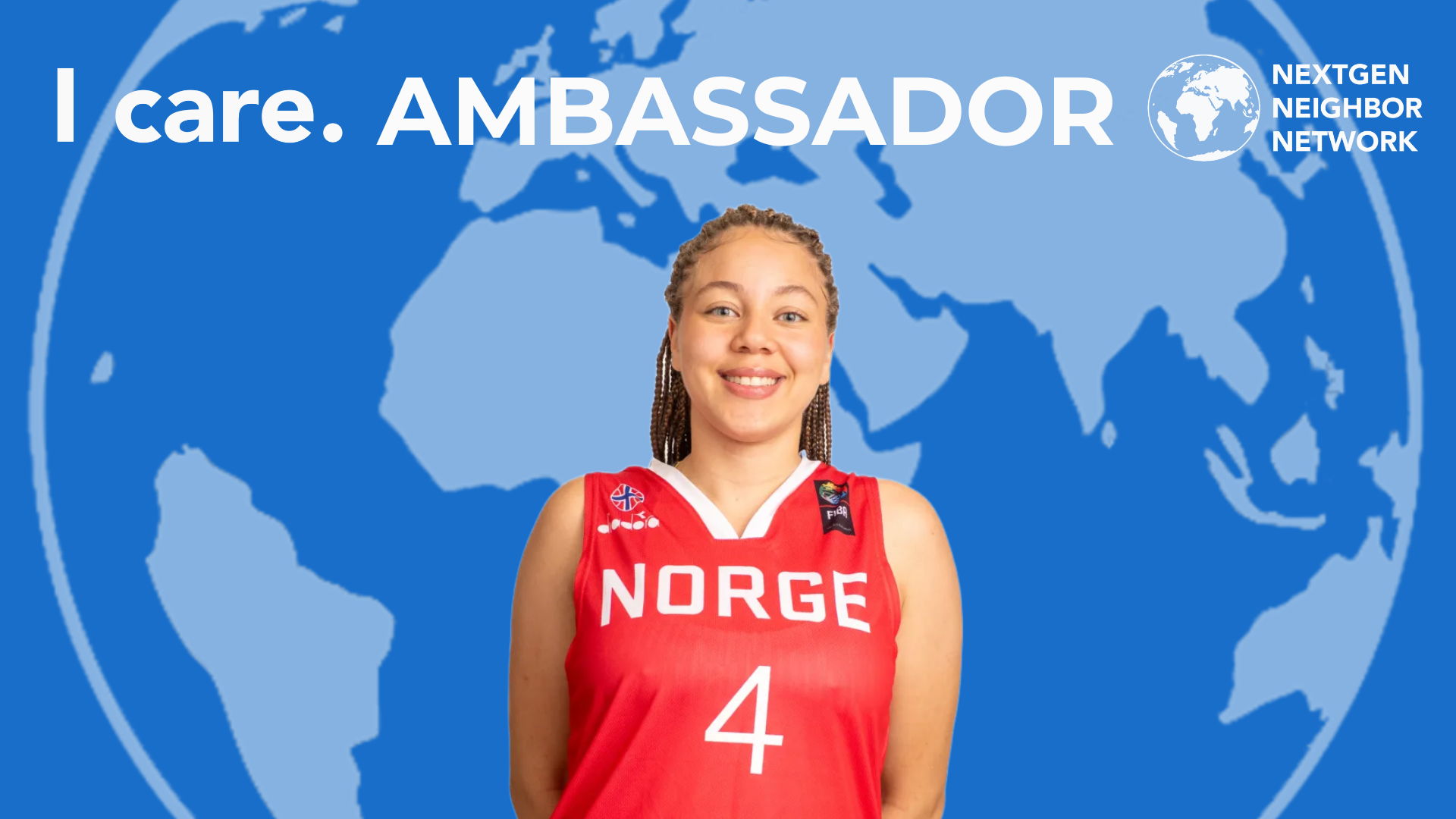
A One-On-One Interview with the Basketball Athlete, Trainer, & Social Responsibility Leader
Ulriken Eagles, a 56 year old history of building society using basketball as a tool for integration, belonging, and high productivity.
The Sanford Family are one of many families within the Ulriken Eagles that have contributed to its deep rooted culture, resulting in a significant societal value.
Ulriken Eagles take social responsibility to the highest level, collaborating with competing rivals to the benefit of the next generation.
Ulriken Eagles invest in the community by sending their most experienced coaching teams to train and recruit the SFO children in surrounding schools.
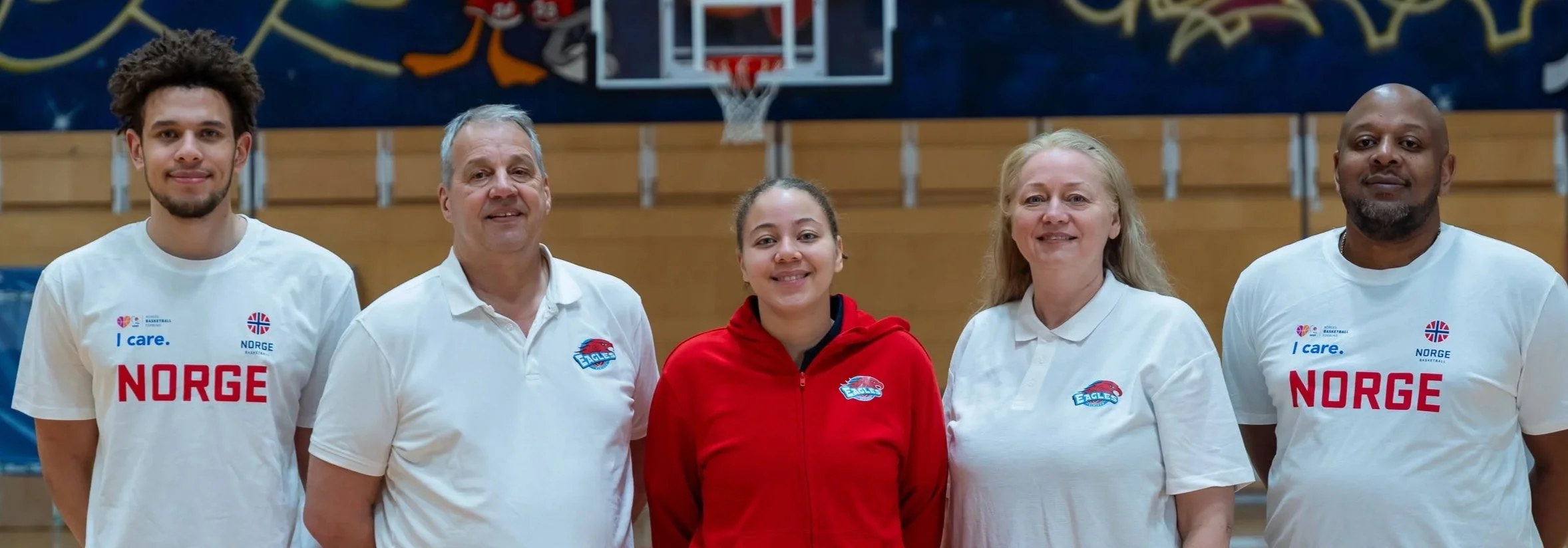
Can you tell us about your background as a female basketball athlete, how your journey in basketball began?
My mother coached NANO basket in Gimle Basket, and my father was a BLNO coach so I started playing when I was four. I’ve been part of an inclusive environment within the arena my entire childhood surrounded by coaches and sports leaders that I know to this very day. It was also a perfect time to see role models like Emilie Grønås and Stine Austgulen – two players who inspired me most as I was growing up. Knowing that both of them ended up playing college basketball in the United States was huge for me because it made it possible for anyone to play anywhere they wanted.
How did your early experiences shape the way you valued teamwork?
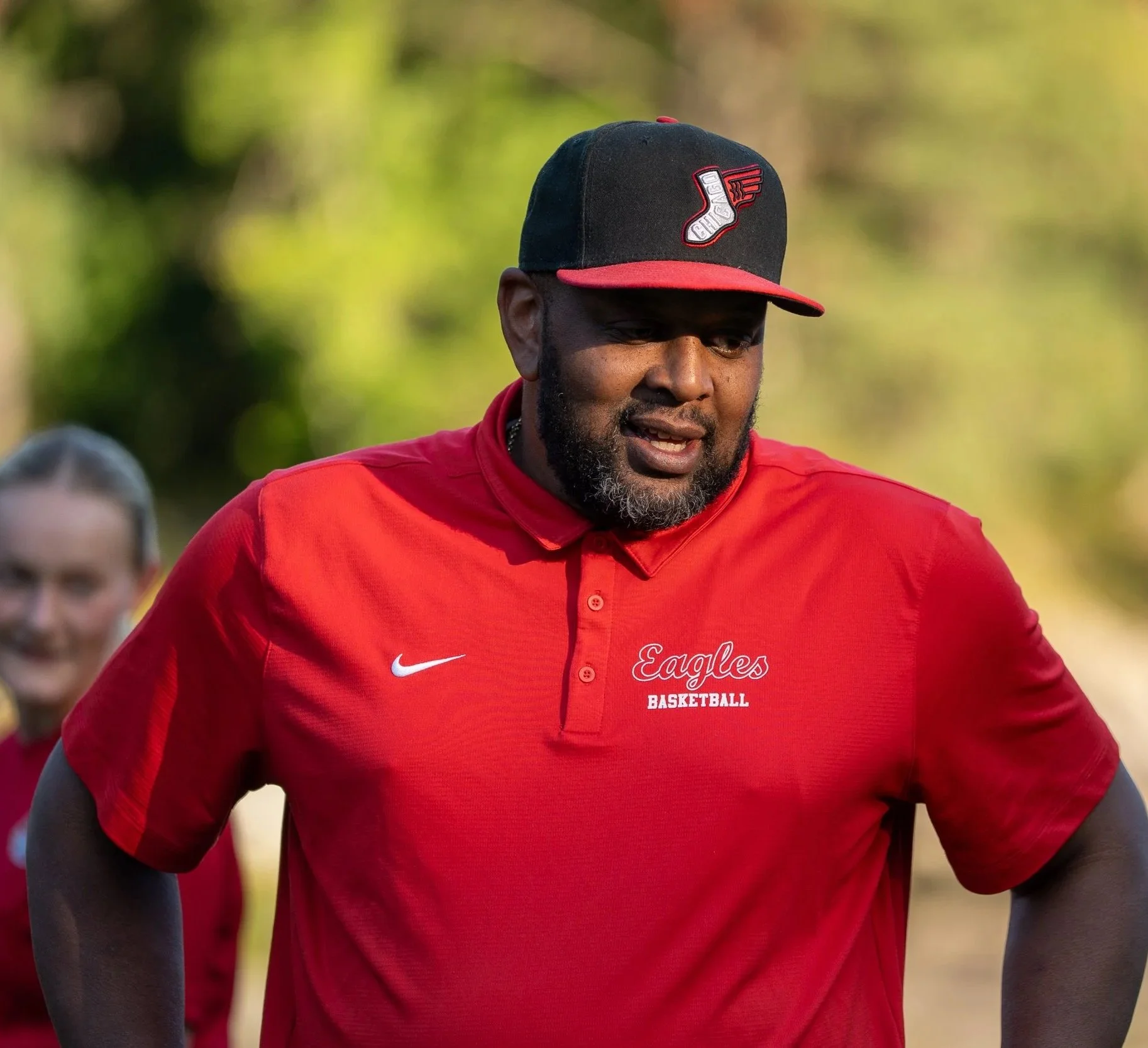
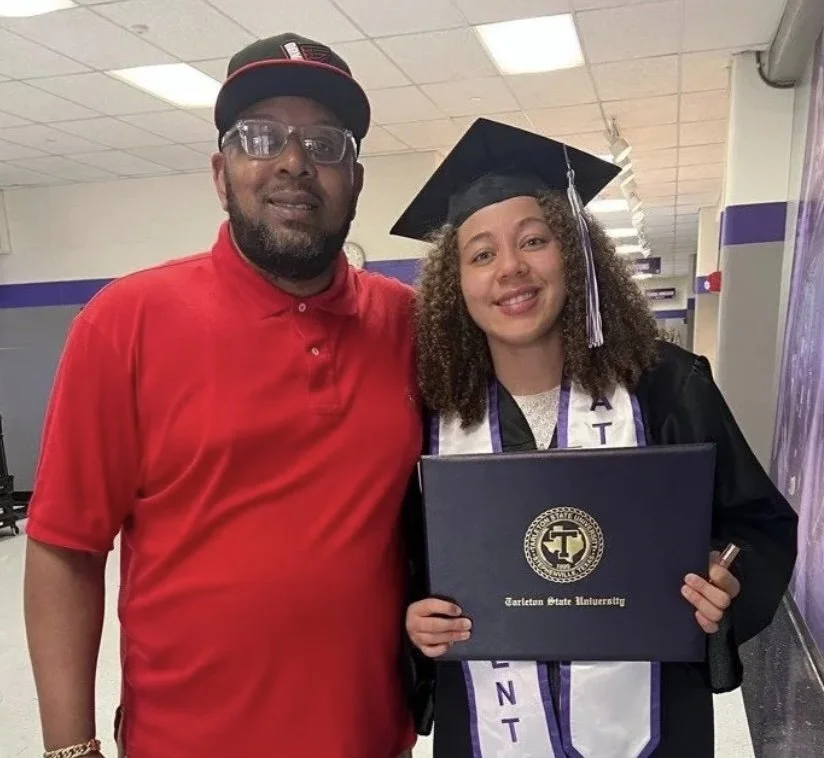
In the early years of my athletic career I was very fortunate to have parents – who were also my coaches – teammates and friends who were all very ambitious. This allowed me the opportunity to play tournaments in Sweden and Denmark when other Norwegian teams only played locally. I’d argue that I have always been a competitor, but these tournaments lit a completely different fire in me. I wanted to beat the best, so that I could be the best, but I couldn’t do that alone. I needed the rest of my team, but I also needed the support of a club that really believed in a group of young girls who competed no matter who their opponents were. It didn’t matter if they were from Belarus or a local club down the street, because we were a team that could do anything – or at least it felt that way at the time.
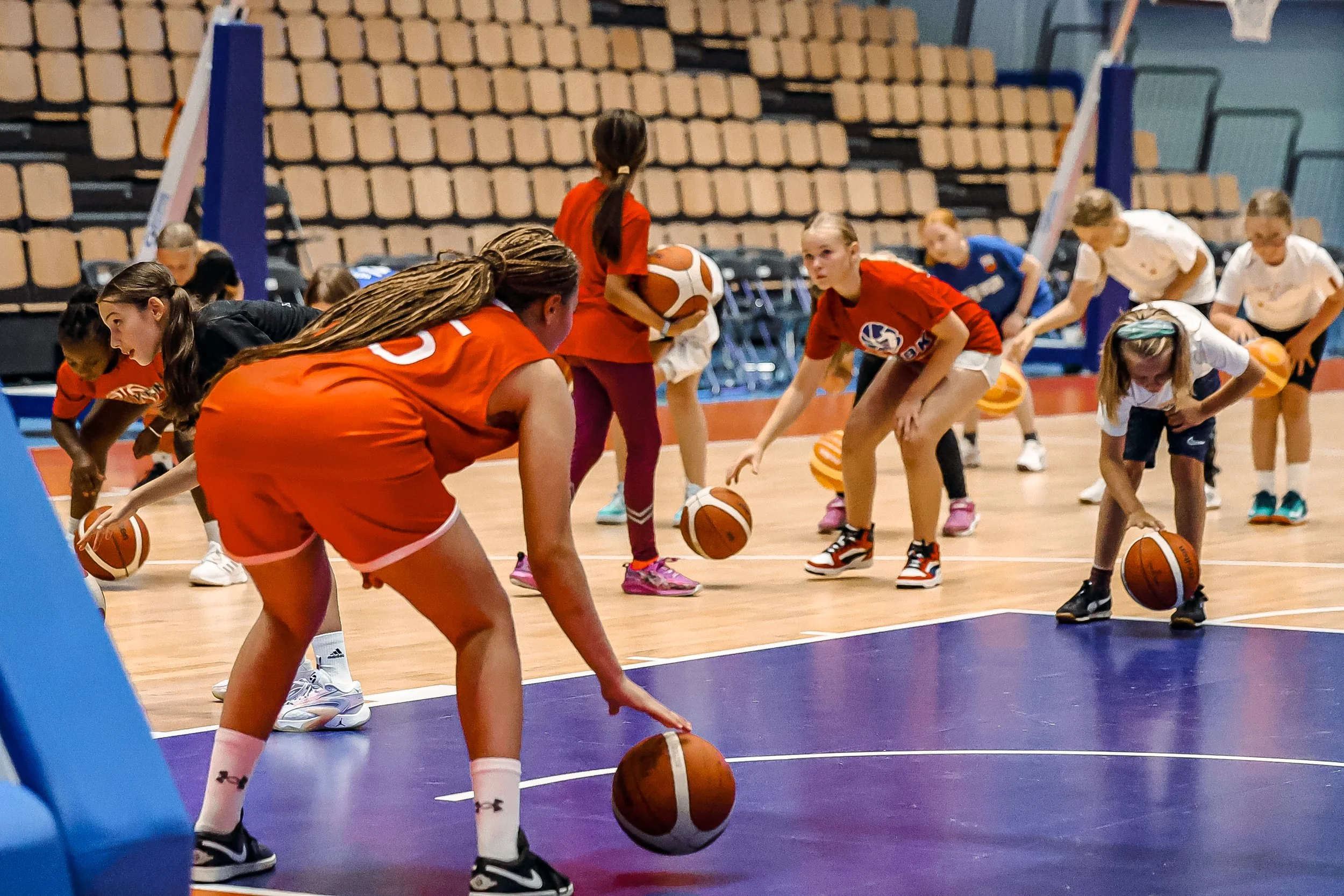
When did you first start coaching young athletes?
I must have been fifteen or sixteen years old. I remember having to wait until I was old enough because I had been too young to coach for a couple of years. When I did start coaching, it was with Fatima Mohammad, one of my longest and closest friends. At the time, we tried to make practices much more about having fun than anything else. Over the years I coached them, I really did grow to love coaching both girls and boys. When I went to college, that was honestly one of the things I was most sad about because all this work had been put into a group of kids, and suddenly I was going to move away for four years. It didn’t feel right, and looking back on it, it makes a lot of sense that I’m back in Norway trying to pick up where I left off.
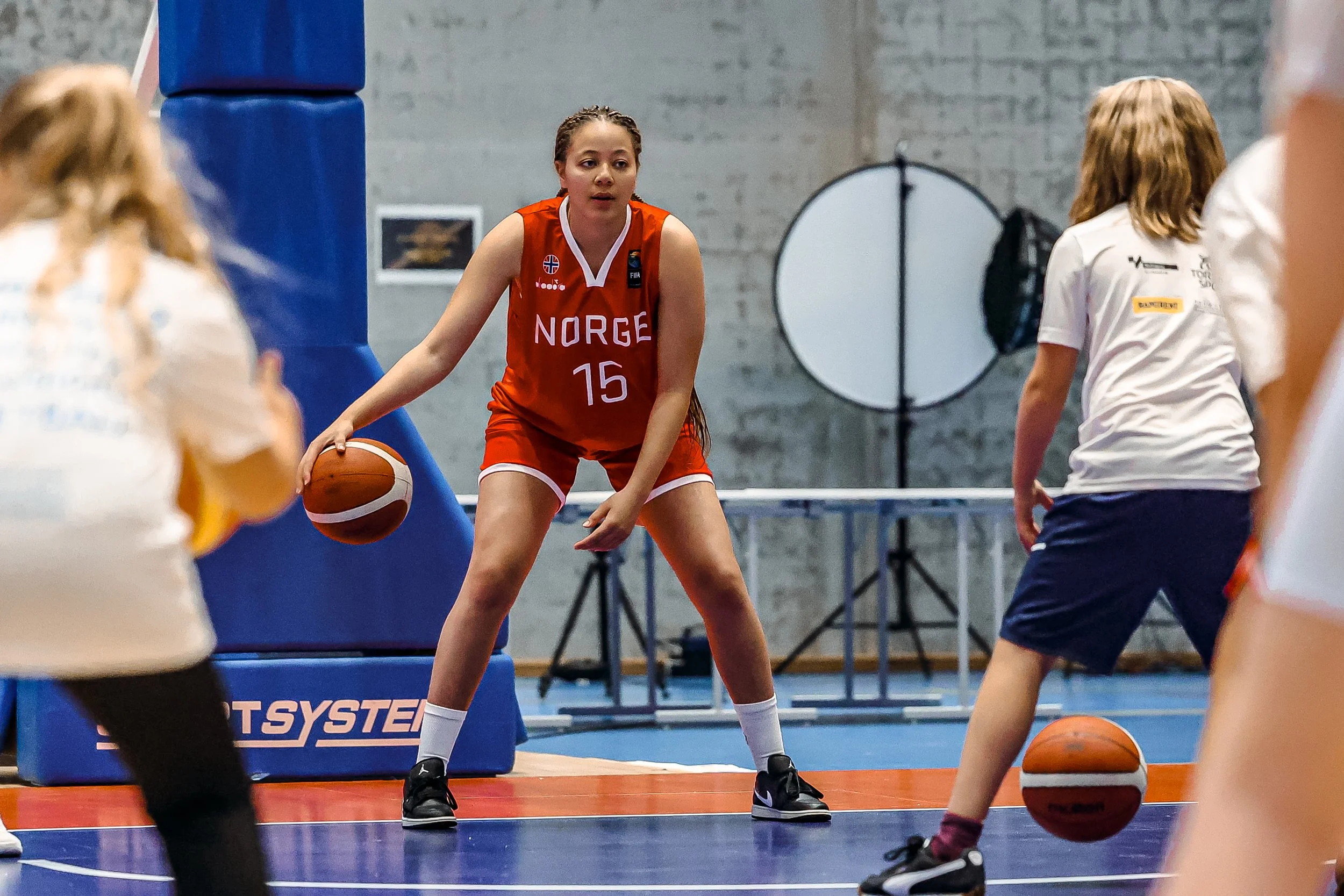
What has kept you involved in basketball, and being a role model for young girls?
There are simply too many positives to being involved in a club and the community that surrounds it for me to imagine letting go of it completely. I guess I take after both my parents in that way. Basketball has never just been about playing the game. It has always been about the people, the relationships, and the sense of belonging that comes with being part of something bigger than yourself. I think that is also what inspires me to be a role model for young girls today. I want to give them the same opportunities, encouragement, and sense of belonging that made basketball such an important part of my own life.
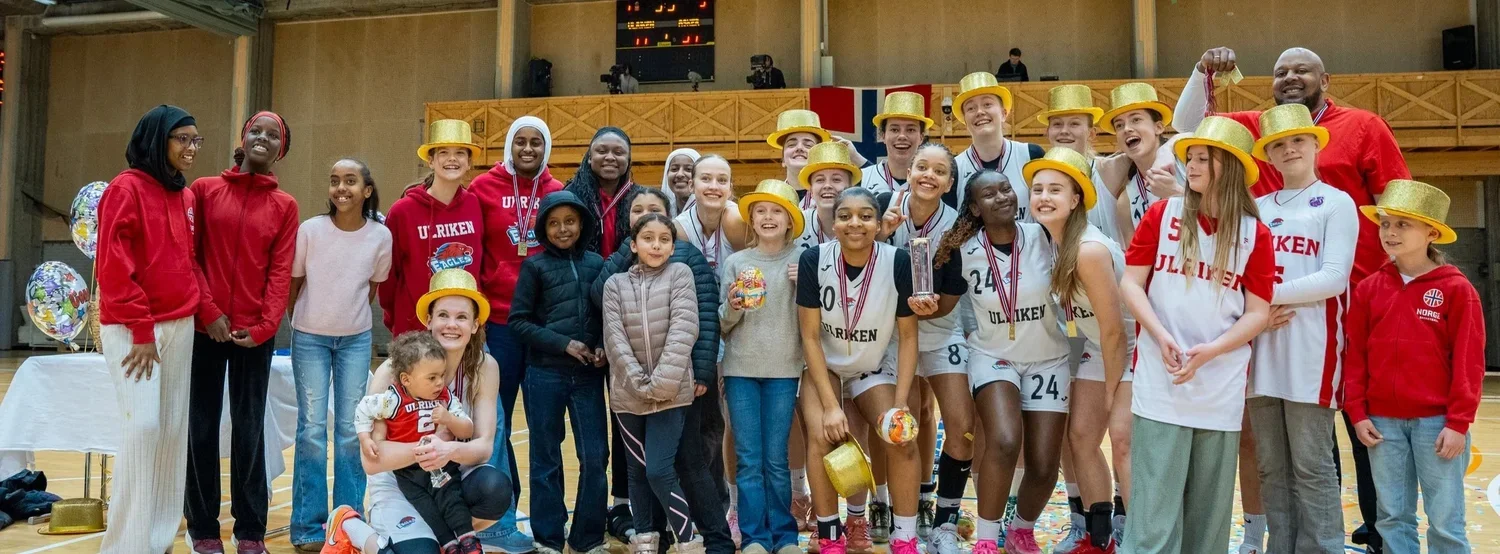
The Ulriken Eagles female basketball community represents something much bigger than performance on the court. How would you describe the importance of this community, its culture and its social responsibility impact within the local community?
The Ulriken Eagles basketball community is certainly something special. The way women, in particular, decide to show up for their teammates, players, and club members creates relationships that last way longer than their time in the sport. For me, this means meeting my absolute best friend in the world but it also means picking up and driving players home after a game, because they don’t have any other way to get to and from the gym. With that in mind, the women who are part of Ulriken Eagles’ basketball community, are not only people who enjoy playing ball. They are, most importantly, people who care about creating a safe space for young girls who are growing up to be the future of Norwegian basketball.
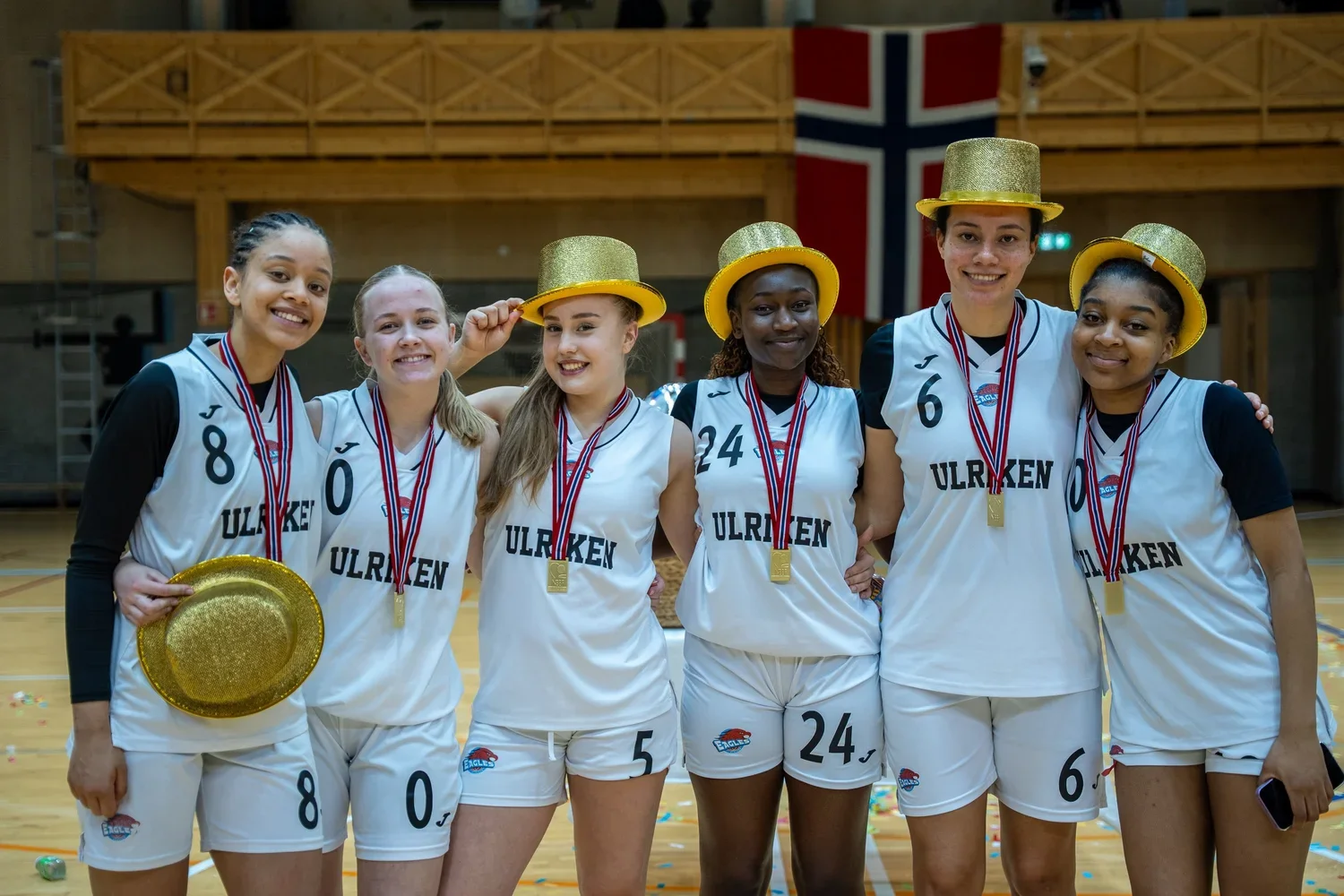
Ulriken Eagles next generation, most trained Karyn Sanford)
How do the Ulriken Eagles use sport as a vehicle for inclusion, integration, and belonging for the next generation? This matters especially in communities where families may face economic or social barriers.
There’s no question that the area surrounding Landåshallen is incredibly diverse, and the club has players, coaches, and parents from many different backgrounds. One player may have emigrated from Ethiopia while another may have parents who are both born and raised in Norway. There are kids with very involved parents and kids with parents who don’t have the time to be as involved. The same goes for teammates with entirely opposite economic situations. In Ulriken Eagles, though, we try to make these differences as small as possible. This can happen in many ways, but one of the ways we bridged this gap when I was younger was through fundraising activities like cake sales, bottle collections, or raffle tickets. Obviously these can help create equal opportunities for children who face economic barriers, but they also allow the children to get to know each other outside of the court. As such, efforts made for inclusion, integration and belonging may serve many purposes, even if it doesn't initially seem that way.
Our club has deliberately kept the annual membership fee at a standstill since 2017 ensuring that everyone has the opportunity to participate. This is a continuing leadership decision and a mutual agreement by the board to compensate for the financial loss by increasing the volunteer hours.
Can you explain the Ulriken Eagles “ecosystem” and the pipeline of leadership and trainers involved?
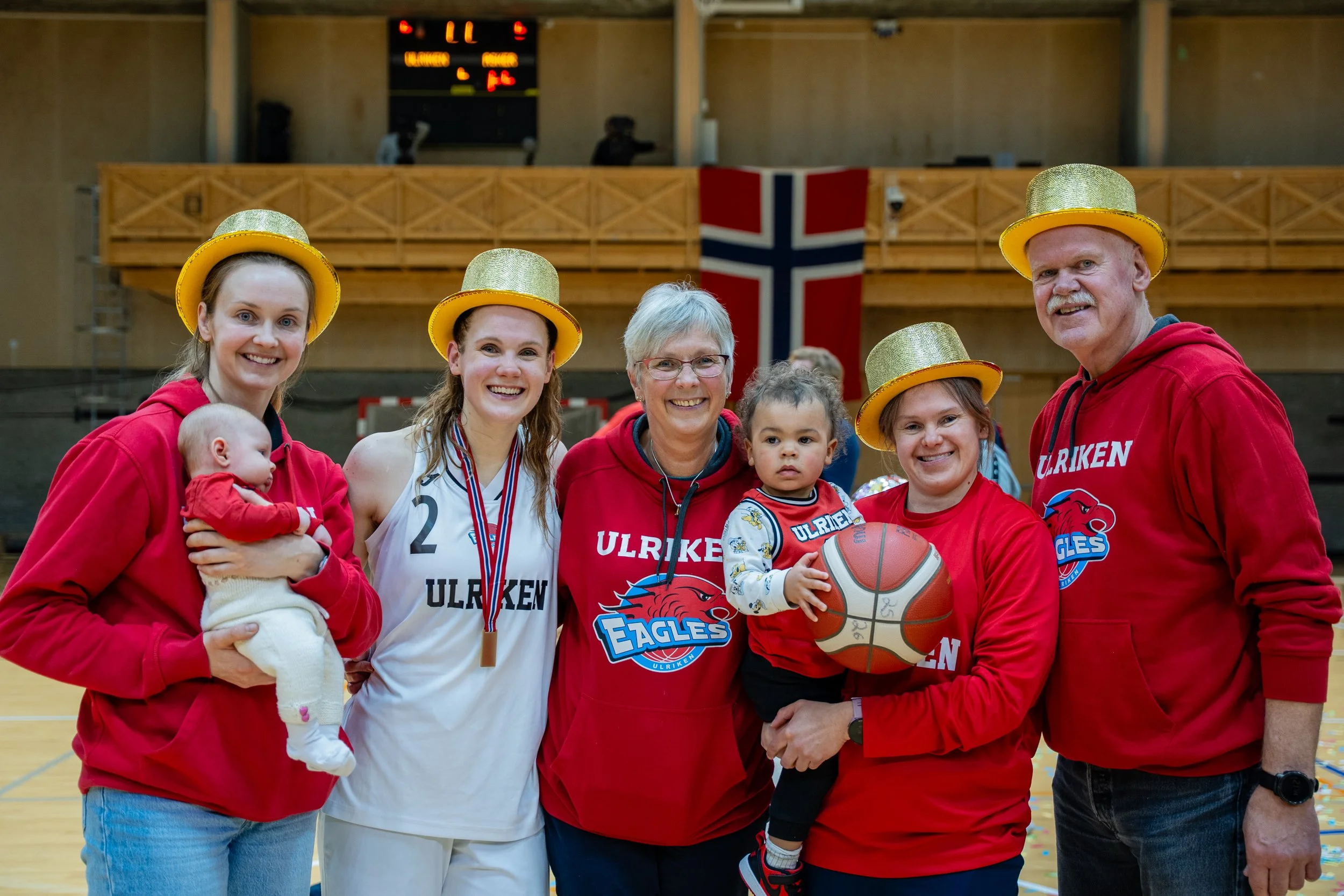
It has 56 years of history with dedicated and loyal members who have brought their families in and made basketball a lifestyle. The Austgulens are a great example. They were there from the very beginning establishing the club, coaching, leading, structuring the volunteer system, and are all there to this day. This has created a generational pathway looping together the ecosystem along with other families within communities.
The Ulriken Eagles ecosystem, where a young girl can grow from a beginner into an athlete and eventually a coach, mentor, or role model, is essentially a result of two things: creating an environment/culture where the sport is fun and fostering relationships. Winning certainly helps, but much of the club’s leadership pipeline comes from a genuine love for the club that has, in many ways, helped raise you. That connection creates a desire to give something back and help shape the next generation in the same way.
How important is it that young girls see older female athletes and trainers who continue to show up for them?
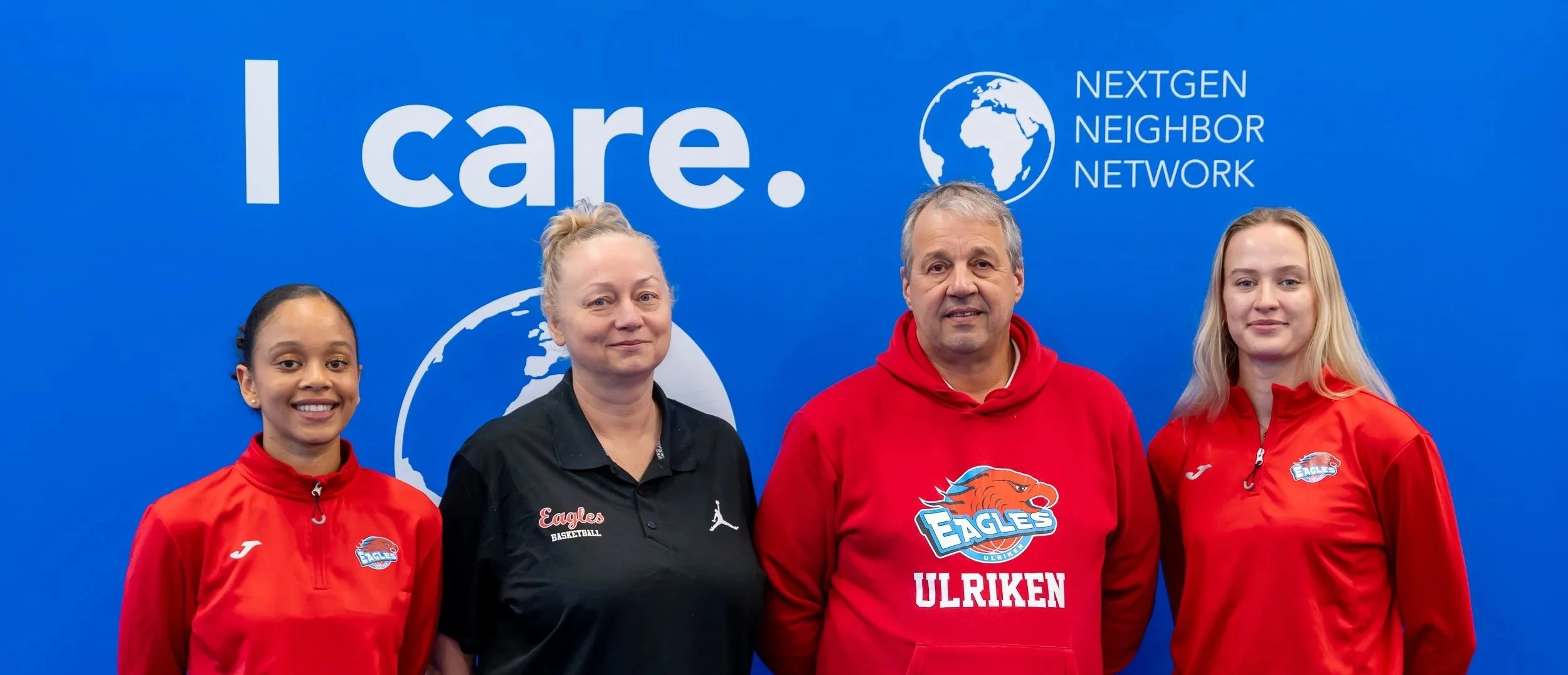
Nothing is more important for young girls than seeing older female athletes and coaches who continue to show up for them. When I was younger, I particularly experienced this through my mom. No matter what, she would always show up. Yes, I was her daughter when she coached me, but so was everyone else on the team. At least, that is how it felt to me. She would pick up my teammates when we had games and make an effort to get to know parents who were less involved in their children’s athletics, building their trust through genuine care and generosity.
Even now, I notice how much I am like her because I try to be that person for my own players. I take the bus with girls who need it, and I make sure that girls who need shorts, shoes, or a T-shirt have what they need to come to practice. I know how much these things matter because I’ve seen it first hand. Role models who play basketball are undoubtedly important for young girls in the sport. The people who truly show up for them often have the greatest impact on their lives. I can definitely see, value and appreciate my father’s influence coaching both SFO children at the age of 6+, in addition to our team, and leading players to multiple Norwegian championships including 11 players on the national team.
Through after-school programs, SFO, the NNN Girls Initiative, LIM and Basketakademiet, sport has been used as a way to create structure, belonging and opportunity for children and young people. Can you explain how these programs connect within the Ulriken Eagles ecosystem and contribute to creating lasting local impact?
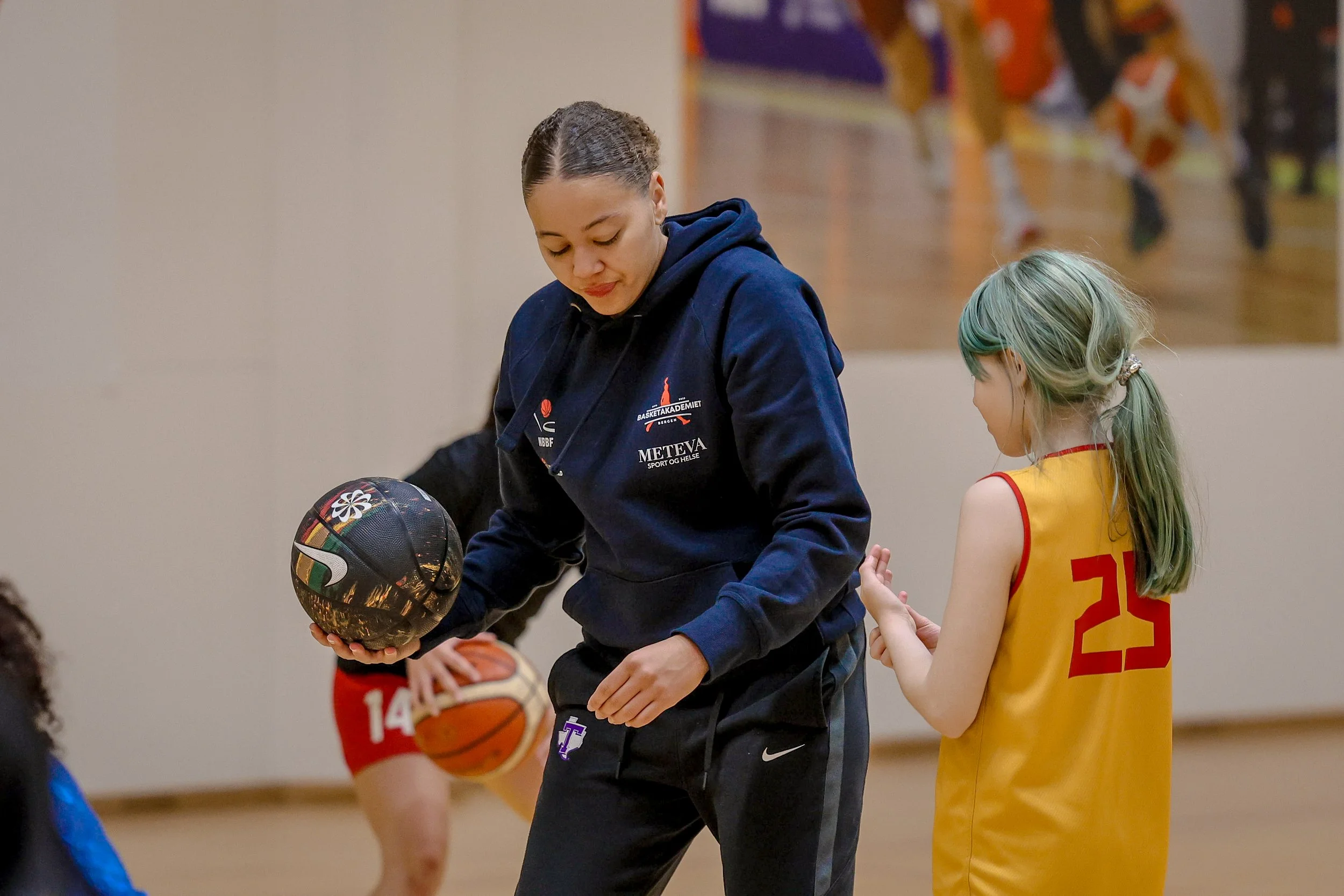
The most rewarding thing to come out of after-school programs, SFO, the NNN Girls initiative, LIM and Basketakademiet is the way children recognize you – and I don’t mean them knowing that I play for the Norwegian national team of Ulriken’s BLNO team, although many do value that. It is simply the fact that they consider me a safe, capable, and positive person in their lives. It is the moments when a child may be walking past me with their mother, and they say “oh, there’s the basketball coach from SFO-basketball,” or they tell me that they are excited to see me at an upcoming event. Still, nothing will compare to the times when I'm out and about, and a child comes up and gives me a hug because they know me, and they know that I know them. That is when I know and feel that the different programs I am a part of really contribute to building successful communities. It is relational welfare at its best regardless of medals and trophies.
One of the biggest challenges in girls' sport is recruiting young girls along with encouraging them to remain physically active. From your experience, how can we get more young girls recruited into basketball and help them stay in sport?
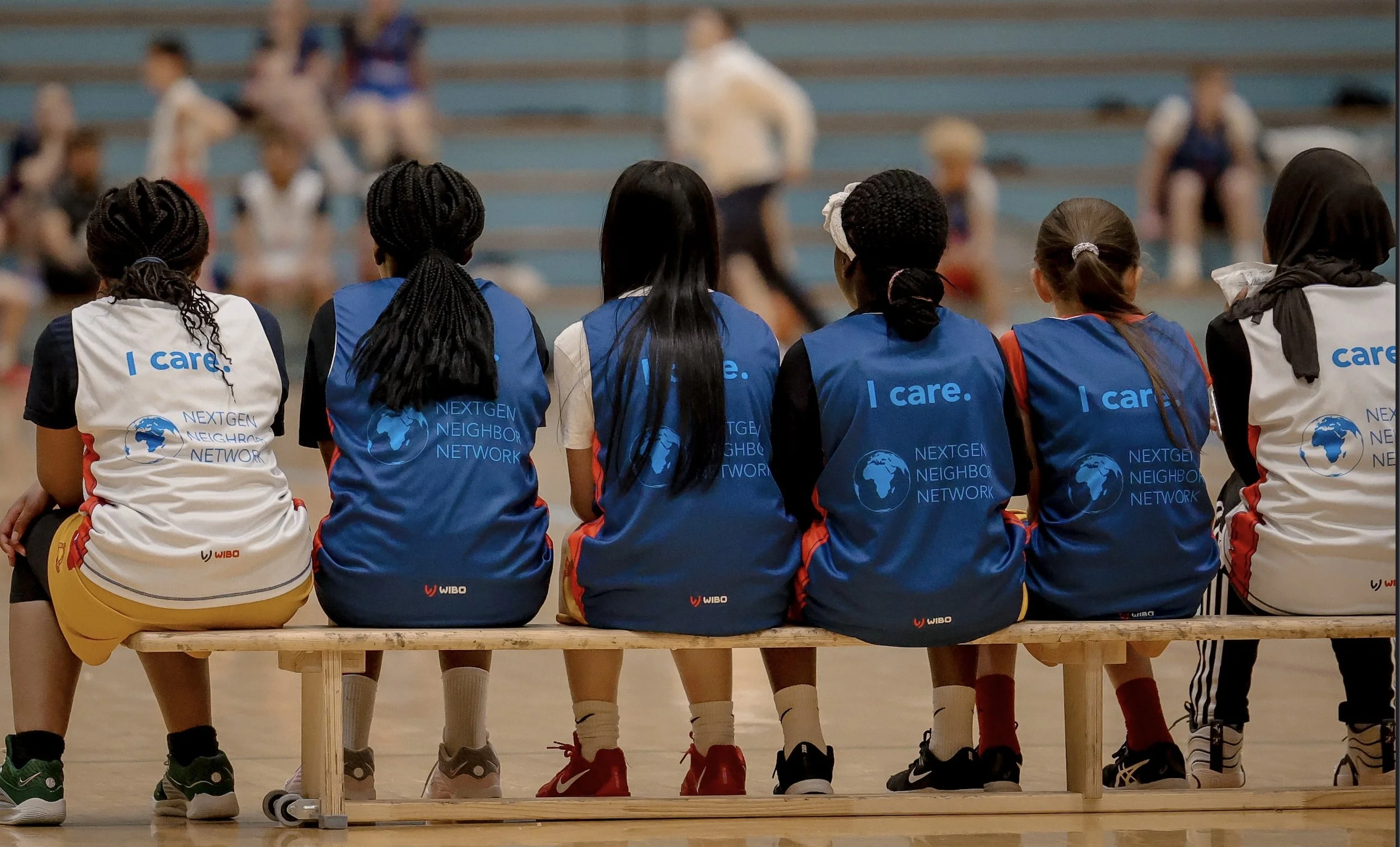
From my perspective, we can get more young girls recruited into basketball and help them stay in the sport longer by making them feel seen. It doesn’t matter if you are a female athlete, coach, parent, or friend, because whatever role you have, you have an obligation to make them know that you see them. It goes into the little things like learning their names, or asking about their day/weekend. It’s also about them asking you things about your life, and you choosing to share about yourself with them. More specifically, it’s about the environment you create for young girls who want to find belonging within a sport.
While many of the girls I coach know me as somewhat strict, I try to be someone who inspires and supports them, both on and off the court. One experience that has stayed with me involved a girl on one of the younger teams I coach. At a club event, she was having a particularly good basketball day, so I pulled her aside to tell her how well she was doing. She seemed to expect a talking to, but I could see how much it meant to her when she realized I was praising her. It reminded me that while structure and expectations are important, young girls also need to feel recognized, supported, and appreciated if we want them to stay in sports.
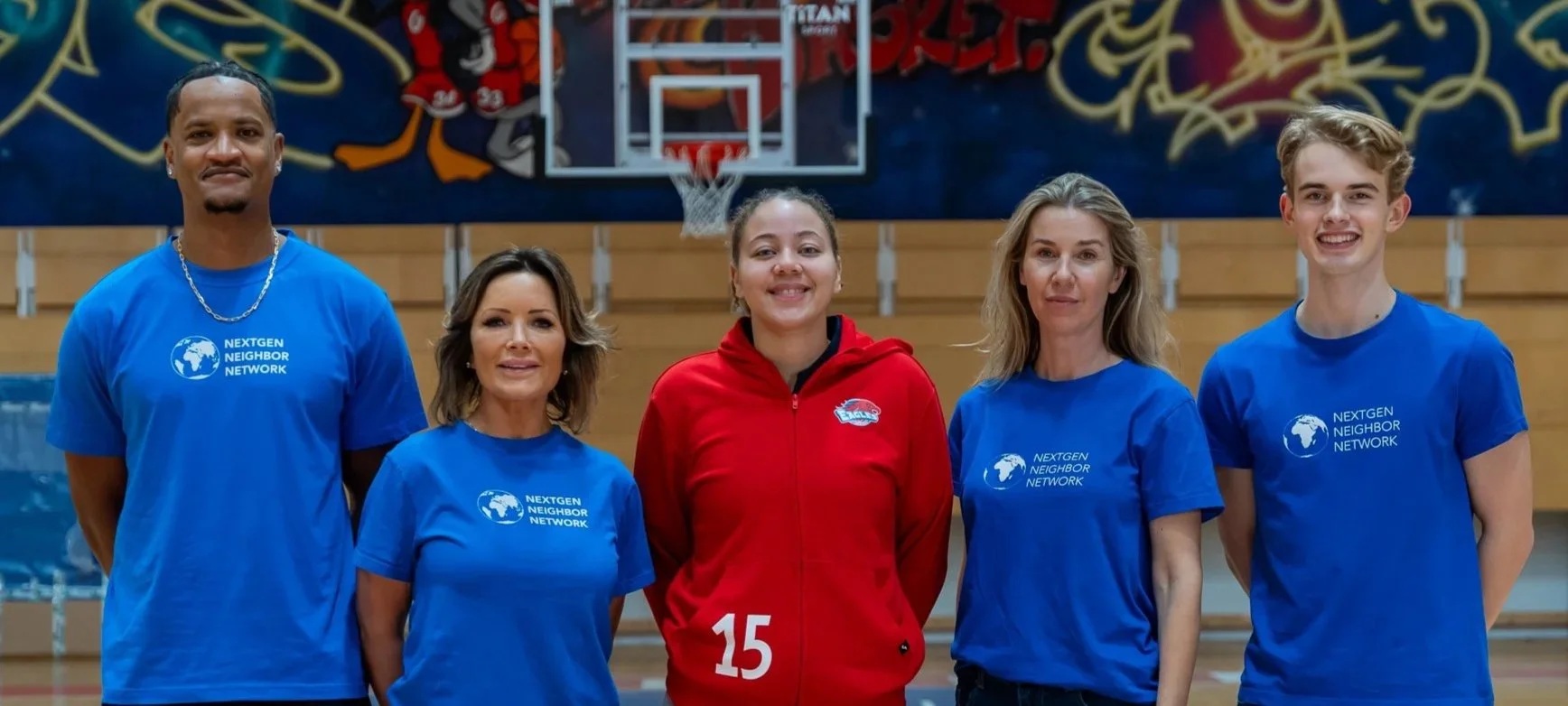
You are being recognized as an NNN I Care Ambassador, working as an Admin for Meteva Sport og Helse and are a true example of a “Super Role Model,” representing the values of the NextGen Neighbor Network Girls Initiative. What do you hope to accomplish in your new role?
I’m honored to be chosen to represent the NNN community of integrity, saying no to drugs, and reflect the values of what it means to be a solid community builder. I hope to inspire girls of all ages to find their own path and feel confident in the choices they make. Just because their friends play football or handball does not mean they have to. Similarly, just because others start drinking at a certain age does not mean they need to follow. I want girls to understand that it is okay to do things differently, step outside expectations, and still succeed. The same applies to sports. Playing for a national team does not have to be the goal just because it is their best friend's ambition. They can have their own goals, enjoy playing sports, and still find a sense of belonging and achievement.
As an NNN I Care Ambassador and “Super Role Model,” I also hope to encourage girls to expect more from themselves than they may have previously thought possible. Whether academically, athletically, or in other aspects of life, I want them to recognize their potential, challenge themselves, and feel supported in pursuing their own ambitions.
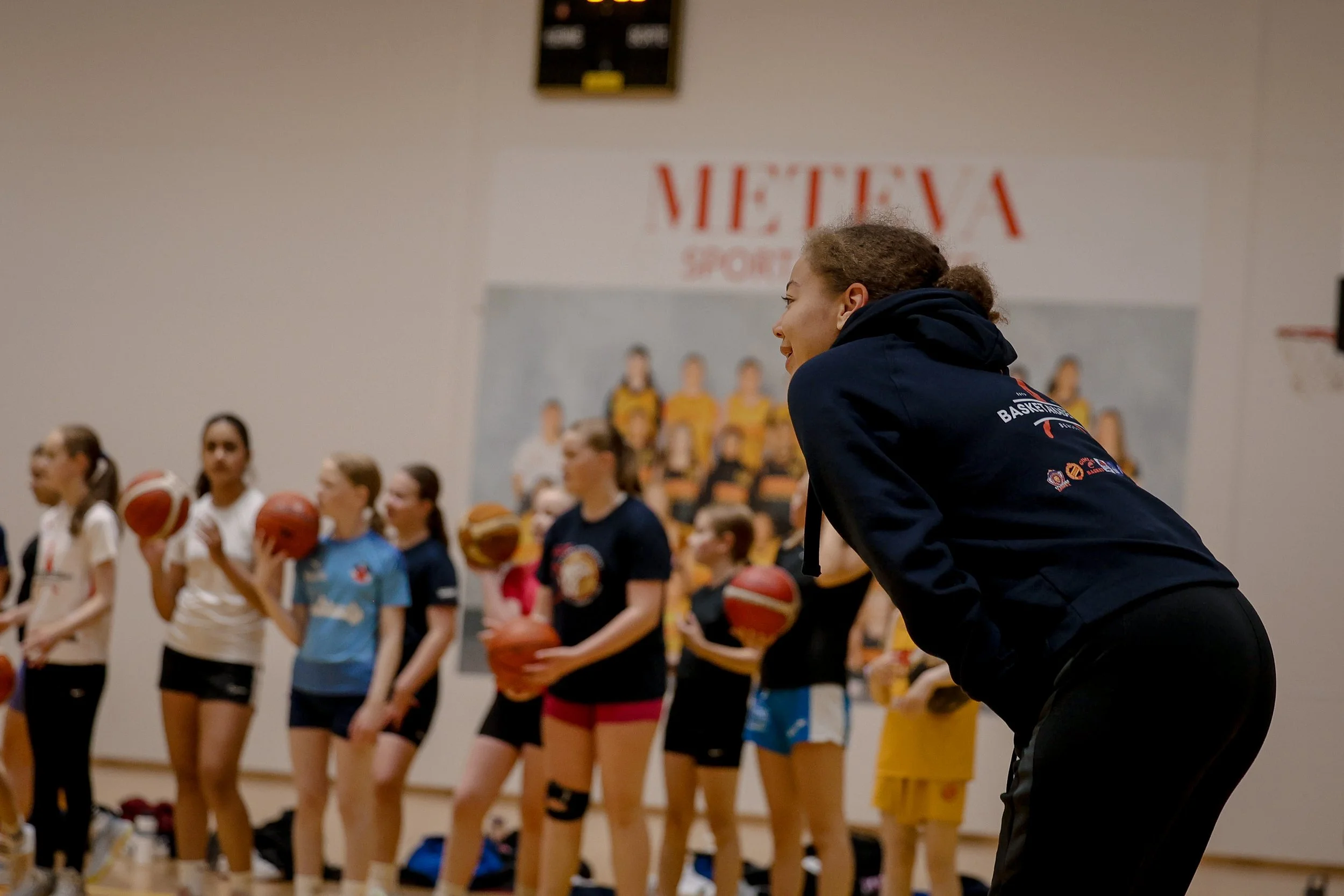
What would you say to other female athletes who have the opportunity to become role models and make a positive difference to young girls?
Believe in yourself, and do not let anyone else convince you that you cannot achieve something. At the same time, understand that you cannot expect to grow without investing in yourself. The same applies to the communities around us. You cannot expect a club or community to flourish if nobody is willing to put in the work to help it grow. If you grew up in a club or environment that gave you something valuable, and you see that it needs people to step up, take the initiative. Be willing to give younger girls the same opportunities and experiences that helped shape you. In many ways, you are creating the kind of environment you would have wanted for a younger version of yourself.
Ulriken Eagles have a history of molding young people with leadership skills into hardworking community builders and using their potential on the right side of the law.
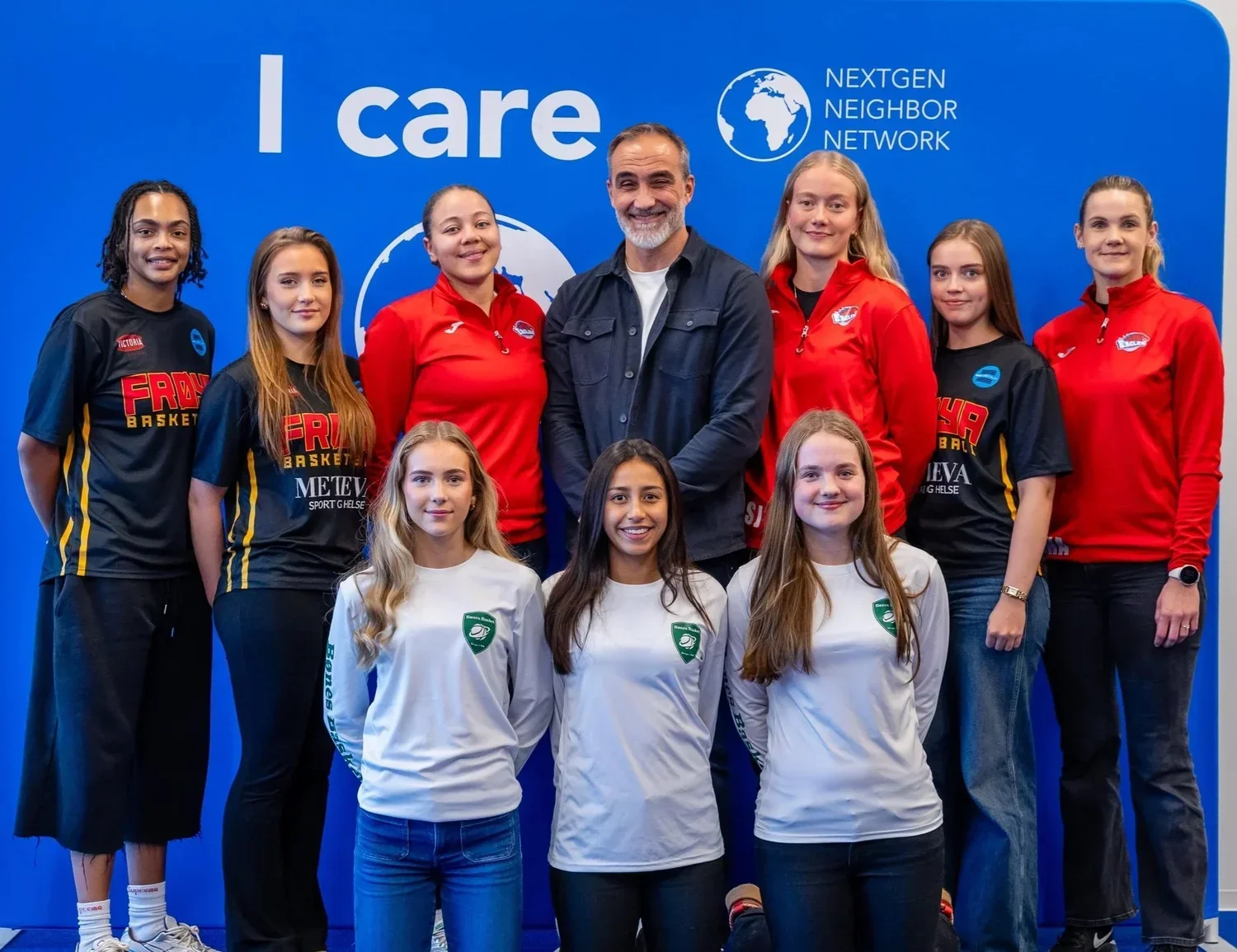
Lastly, what is your personal message to the next generation, especially young girls who are just beginning their journey in sport?
I believe in choosing your battles. There will always be challenges, and nothing worthwhile comes without effort. You get to choose which challenges you take on. Choose the ones that help you grow, strengthen your relationships, and make your community better. Sometimes the harder choice is also the one that gives you the most in return in the long run.