Ida Njåtun: From Olympic Athlete to Championing Social Responsibility and Youth
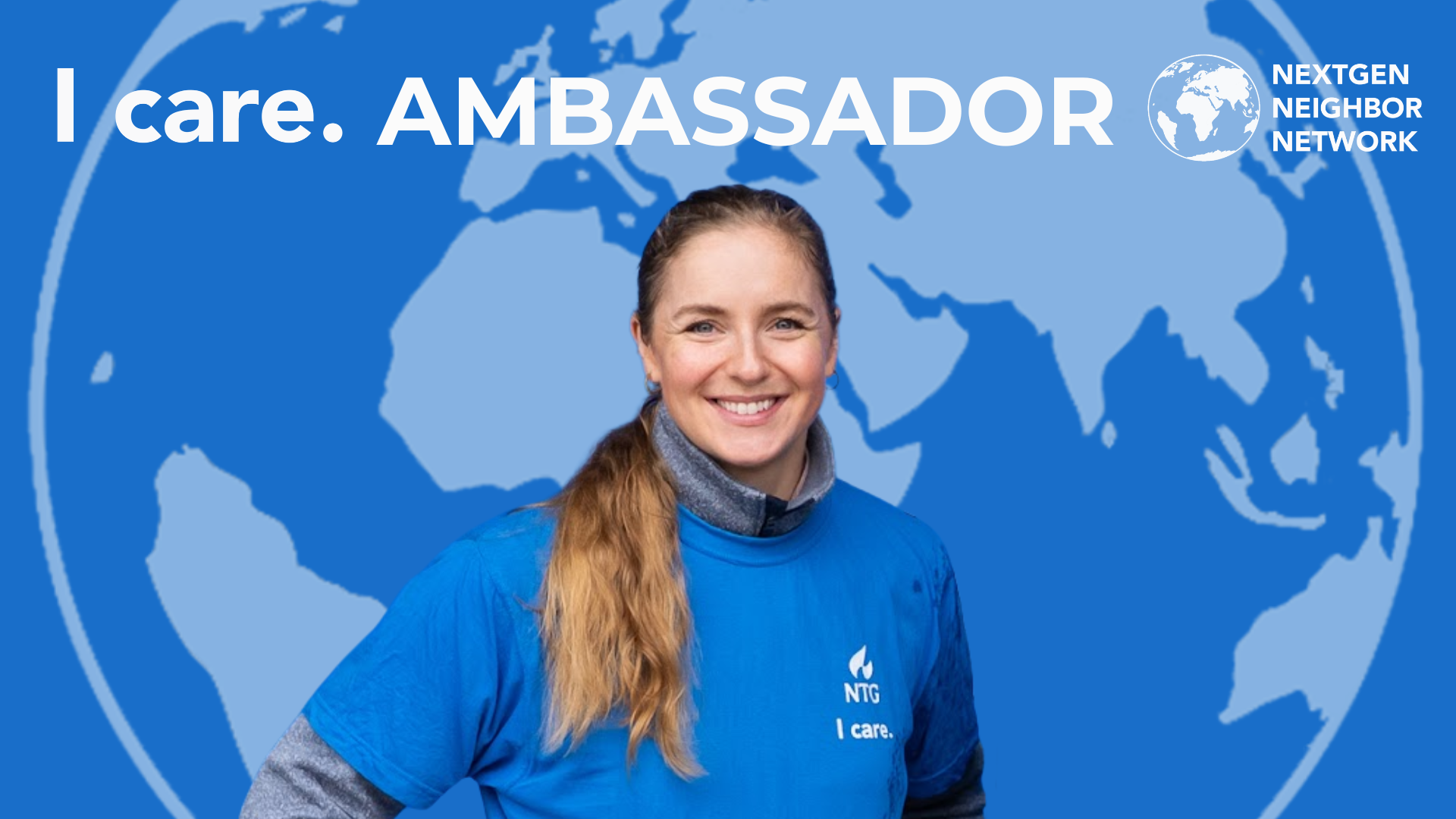
An introduction to Ida Njåtun, Project Leader of the NTG I Care Program
World Championship medalist, multiple World Cup podium finisher and 31-time Norwegian speed skating champion in speed skating
Ida Njåtun leads the way for relational welfare and social capital at NTG nationally at an NTG I Care Project Leader
While competing professionally, travelling 150 days a year, Ida completed a bachelor in sociology
Ida Njåtun’s thesis focused on the inclusion of ethnic minorities in organized sport in Norway, and how society is part of the solution to secure belonging for all
Ida Njåtun’s career taught her is that even the people who appear the strongest or most successful have challenges you may know nothing about
As soon as Ida Njåtun could walk, her family had her try all kinds of activities including cross-country skiing, alpine skiing, skating in the winter, orienteering, gymnastics and climbing in the summer. She loved being outdoors and being active, while spending quality time with her family, usually with a cup of hot Solbærtoddy and Kvikk Lunsj. Her father used to do speed skating himself at a national level, and her brother, who was four-years-older was also doing the sport. So when Ida was six, she joined her local skating club and a football team.
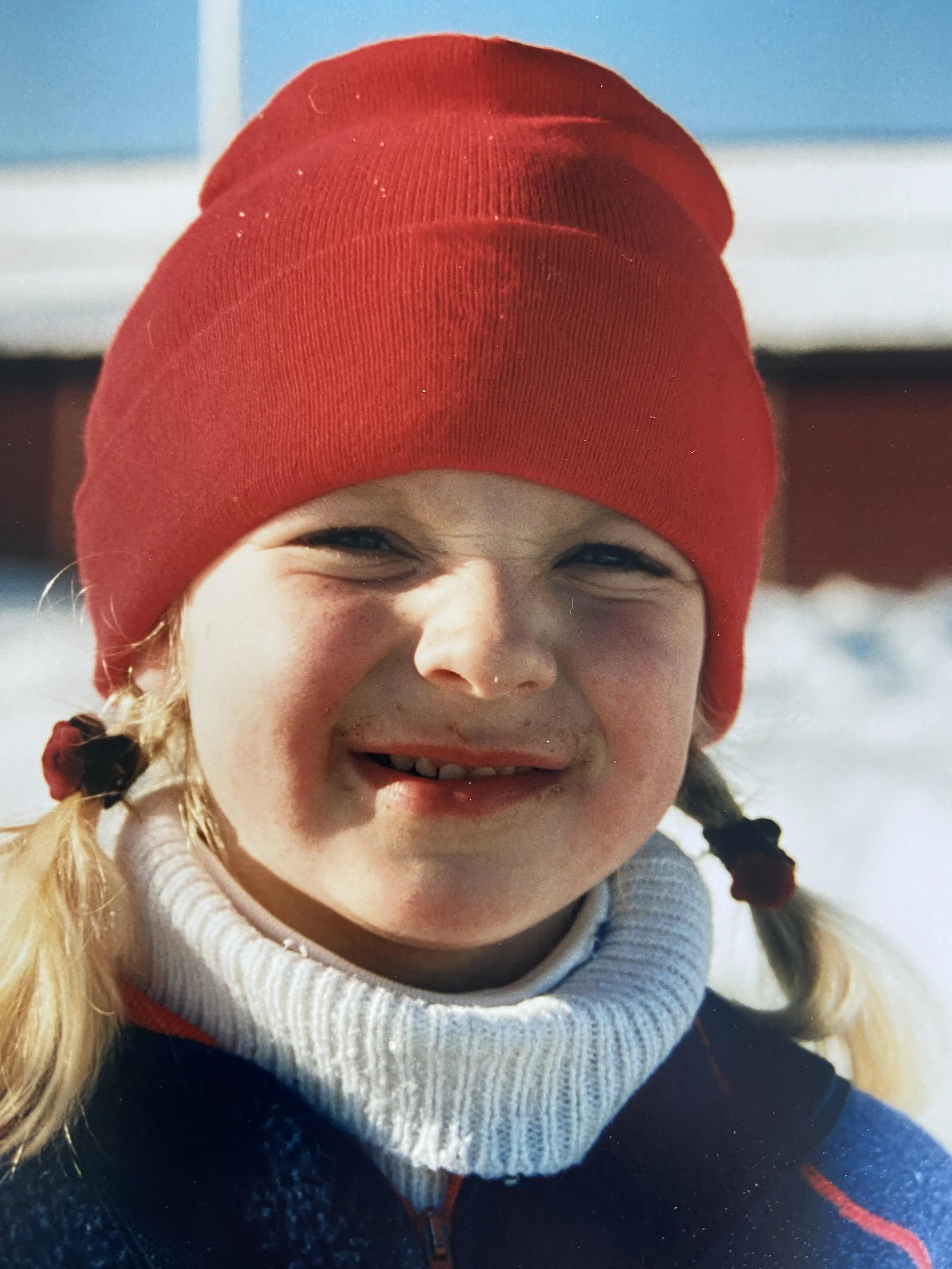
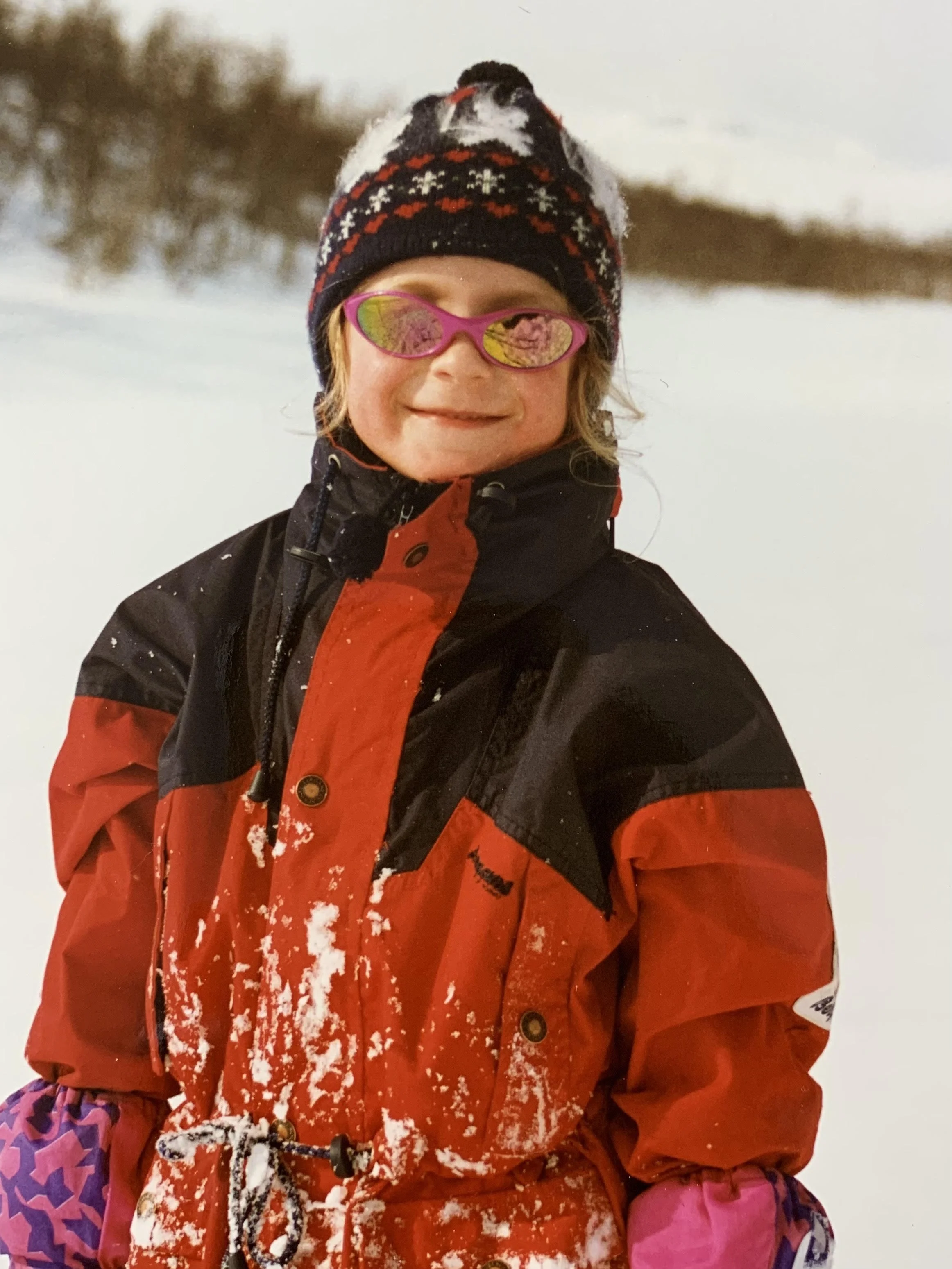
Photo Left: Ida Njåtun, age 4, On the local ice skating rink named Risenga (in Asker) Photo Right: Cross country skiing in the winter (1994)
Ida instantly loved the feeling of speed skating, especially its small community. There were only about six of them her age, boys and girls together, but they were a really good group. They travelled together and had a lot of fun socially, while at the same time Ida was quite dedicated from an early age and always wanted to improve. When she was around 15 or 16, she started struggling with different injuries related to growth and development, and she had to become more selective about where she spent her time and energy.
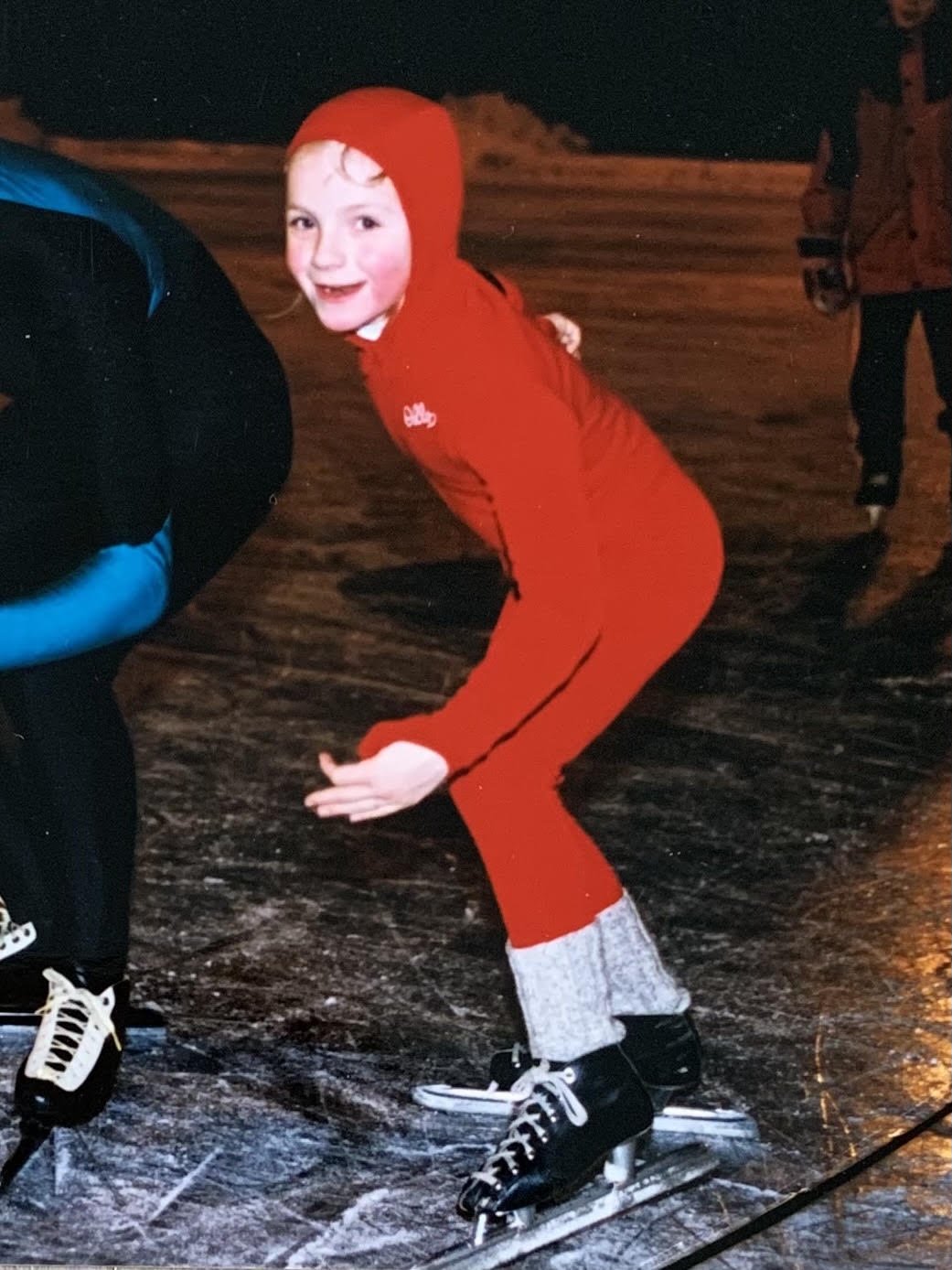
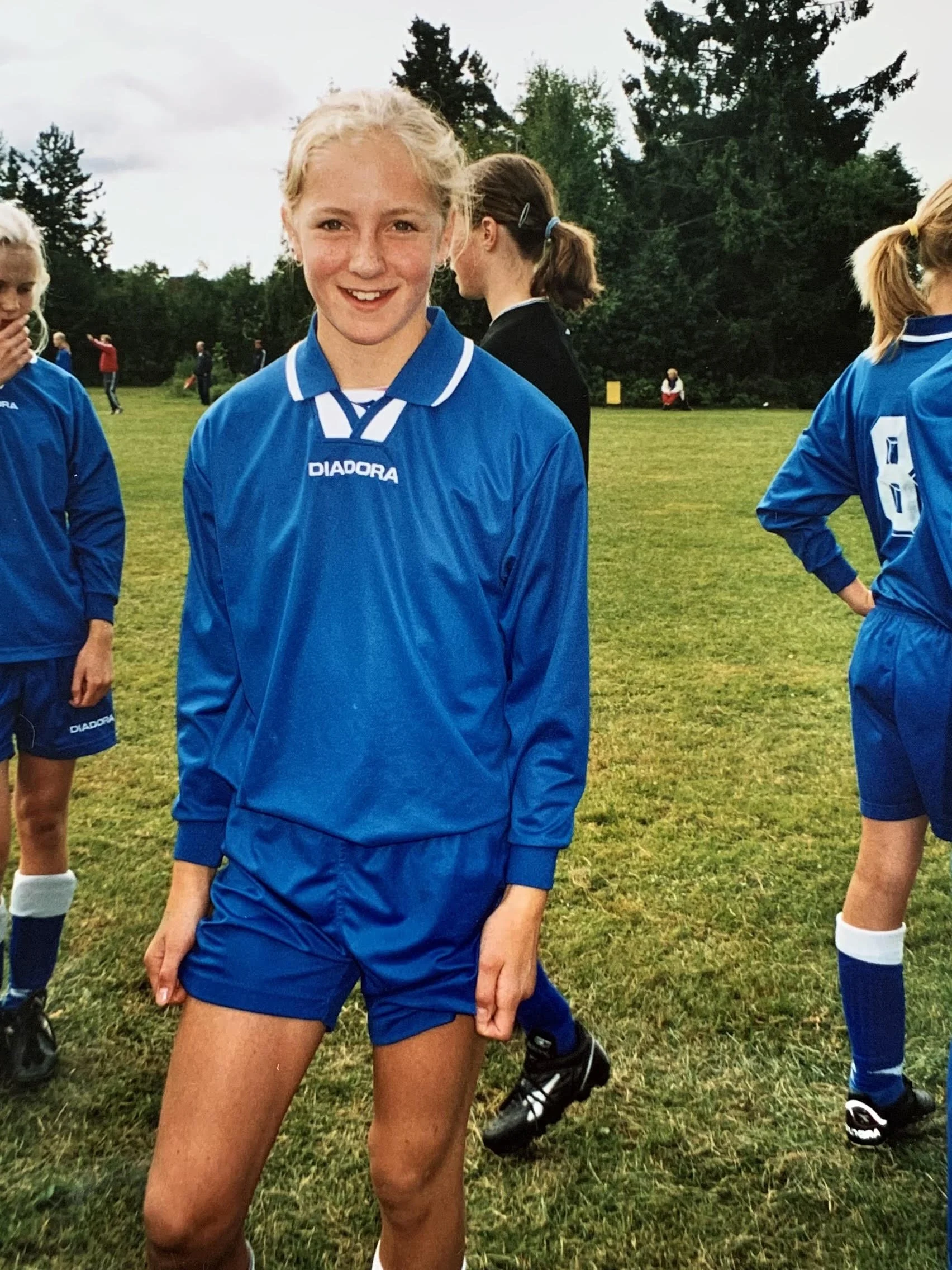
Photo Left: Ida Njåtun skating at the local ice rink Risenga Photo 2: Ida playing football at an early age.
Her Journey as a Female Athlete
Ida joined the national team at age 17, while she was still in school. Suddenly, she was travelling around 150 days a year and training in a senior environment that was very male-dominated at the time. Being a young female athlete in that setting meant that she sometimes had different needs. She pushed herself too far at times, but those experiences also made her more resilient. Training with men gave her something incredibly valuable - there was always someone faster. Even when she became one of the best female skaters, she still had people around her who could push her and give her something to chase.
Championing Through Adversity
Ida thinks one of the biggest challenges in elite sport is that adversity rarely comes as one single dramatic moment. For her, it was more often the accumulation of things over time.
She had injuries and periods of illness, and there were certainly competitions where she had worked incredibly hard and the results didn’t reflect that. She also spent years learning how fine the line could be between pushing her body enough to improve and pushing it too far.
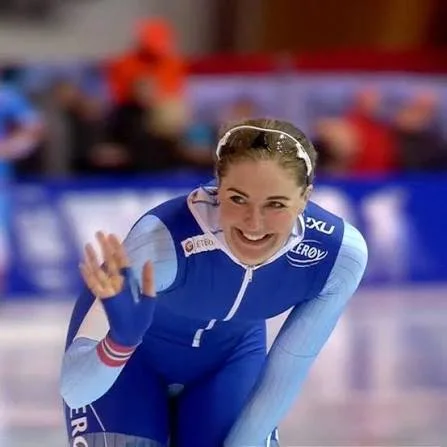
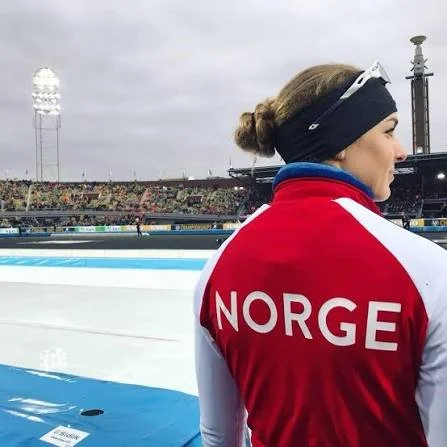
Photo left: World cup Erfurt 2018 3.rd place on the 1500m (taken right after the race). Photo right: on my way out on the ice to race the first distance of the World Allround Championships on the spectacular Amsterdam stadium in 2018.
There was also a financial challenge to being an athlete that became increasingly important throughout her career. In Norway, there are huge financial differences between sports. You have sports like men’s football and perhaps also cross-country skiing at one end of the scale, and smaller sports like rowing, gymnastics and speed skating at the other.
Ida competed at the highest international level for 13 years, but she was never paid a salary as an athlete. Her income came mainly from personal sponsors and prize money, which was relatively limited in speed skating. There was always this underlying question of how long she could actually afford to continue. Towards the later years of her career, that gradually changed the way she experienced performance.
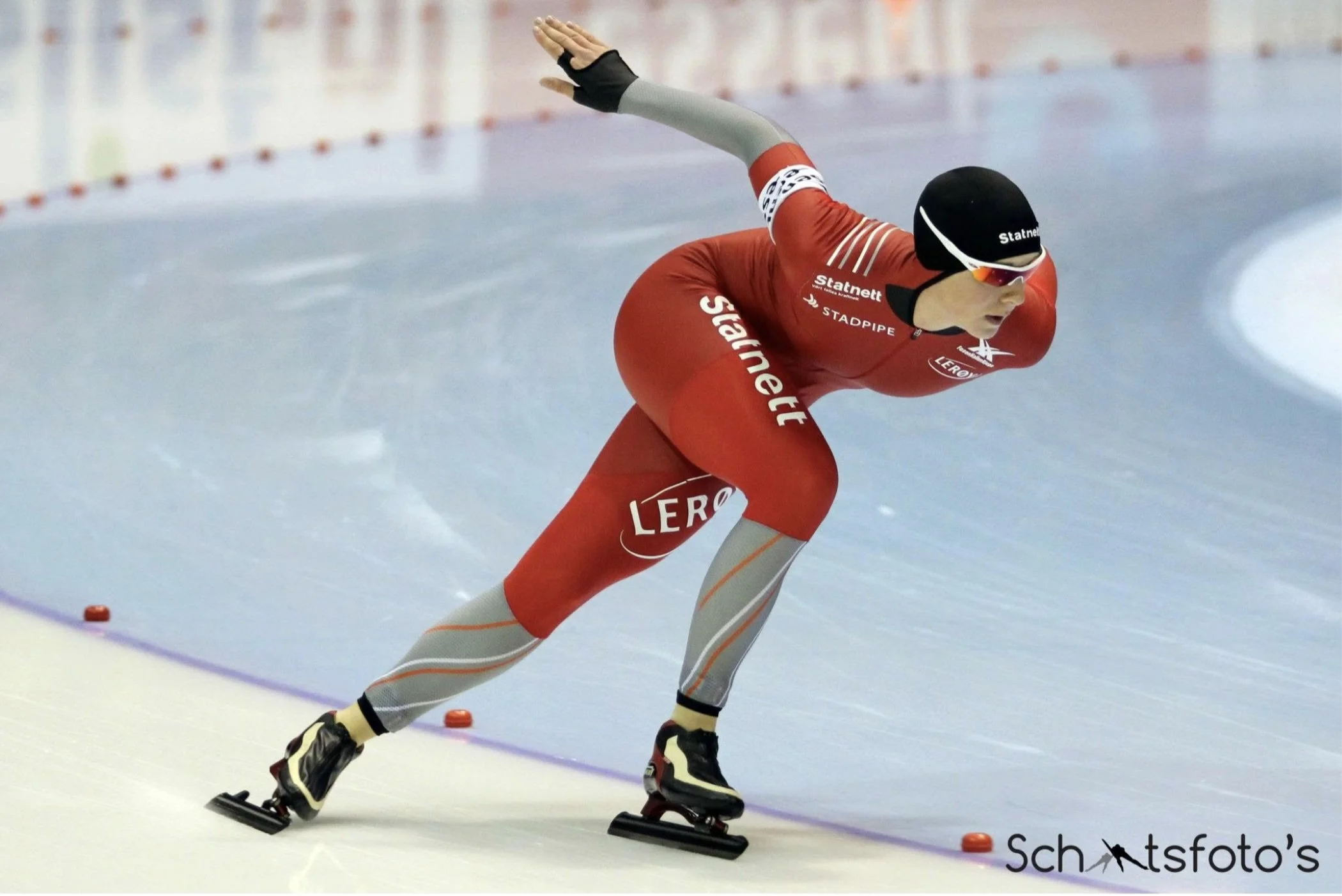
“It wasn’t only that I wanted to perform because I wanted to be the best I could be. At times I had to perform because I needed to be able to afford another year. That is a very different kind of pressure. Eventually, it started to affect my motivation,” says Ida
She doesn’t think her strength came from simply being tougher or more determined than everyone else. A lot of it came from learning to adapt, to get back up after disappointment, and to accept that the way forward sometimes had to look different from what she had planned. However, the pressures surrounding the sport became harder to ignore, and the question was no longer only how far she could go, but also what continuing to pursue that dream would mean for the rest of her life.
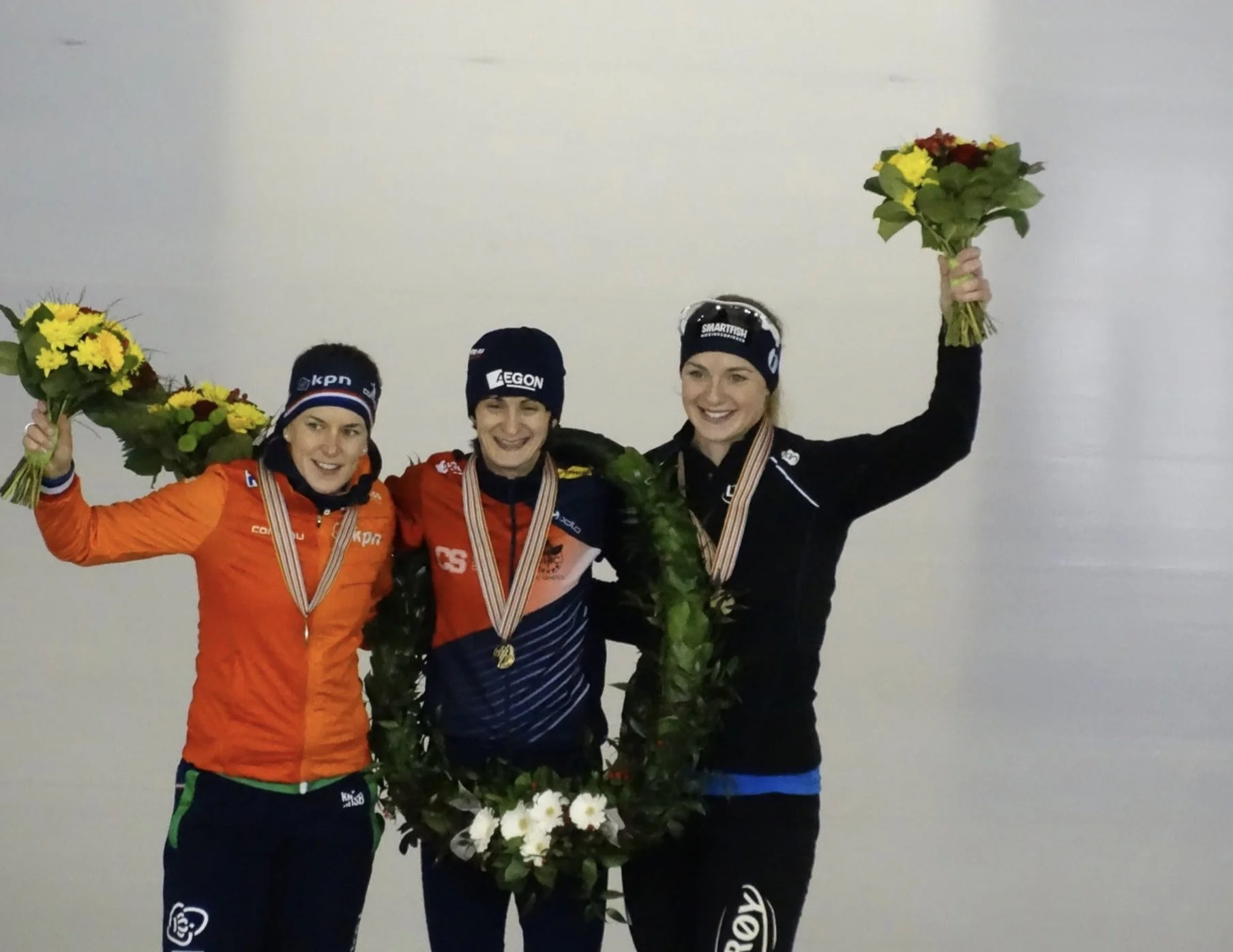
Photo: Ida Njåtun Podium World Allround Championships, 2015, together with two good friends Martina Sablikova CZE (Gold) and Ireen Wüst NED (Silver)
The Defining Moments of Her Career
In 2015, Ida won a bronze medal at the World Allround Championships, becoming the first Norwegian female speed skater to achieve that podium finish since Bjørg Eva Jensen in 1980.
That experience really changed something in her, especially going into the competition with previous illnesses. It gave her confidence that later in her career she could draw on, even on days when she didn’t feel particularly strong. She had learned that how you feel beforehand doesn’t always tell you what you are capable of when it really matters.
Another moment from that weekend that stands out was being less than a second away from the world record in the 1500 metres. For Ida, that was another reminder of what is possible. Speed skating is quite a small sport in Norway, with a small community and limited resources, and yet Norwegian skaters could still compete at the very top level.
Role Models and Inspiration
Growing up, one of Ida’s biggest role models was Canadian speed skater Christine Nesbitt. What Ida admired was that she also seemed incredibly grounded and humble. Later in her career, Ida was lucky enough to get to know her personally, and that made an even bigger impression on her.
One of the most important things Nesbitt taught her was that big sports achievements don’t really change how you feel about yourself. They give you an incredible rush of happiness or relief, but that feeling is temporary. What matters much more is how you feel about yourself, the people you have around you, and whether you genuinely enjoy what you are doing.

Ida wants younger athletes to believe that happiness is not about a medal or a certain result. She would rather show them that they can dream big and work incredibly hard, while still valuing the people around them and building a life that has meaning regardless of what the scoreboard says.
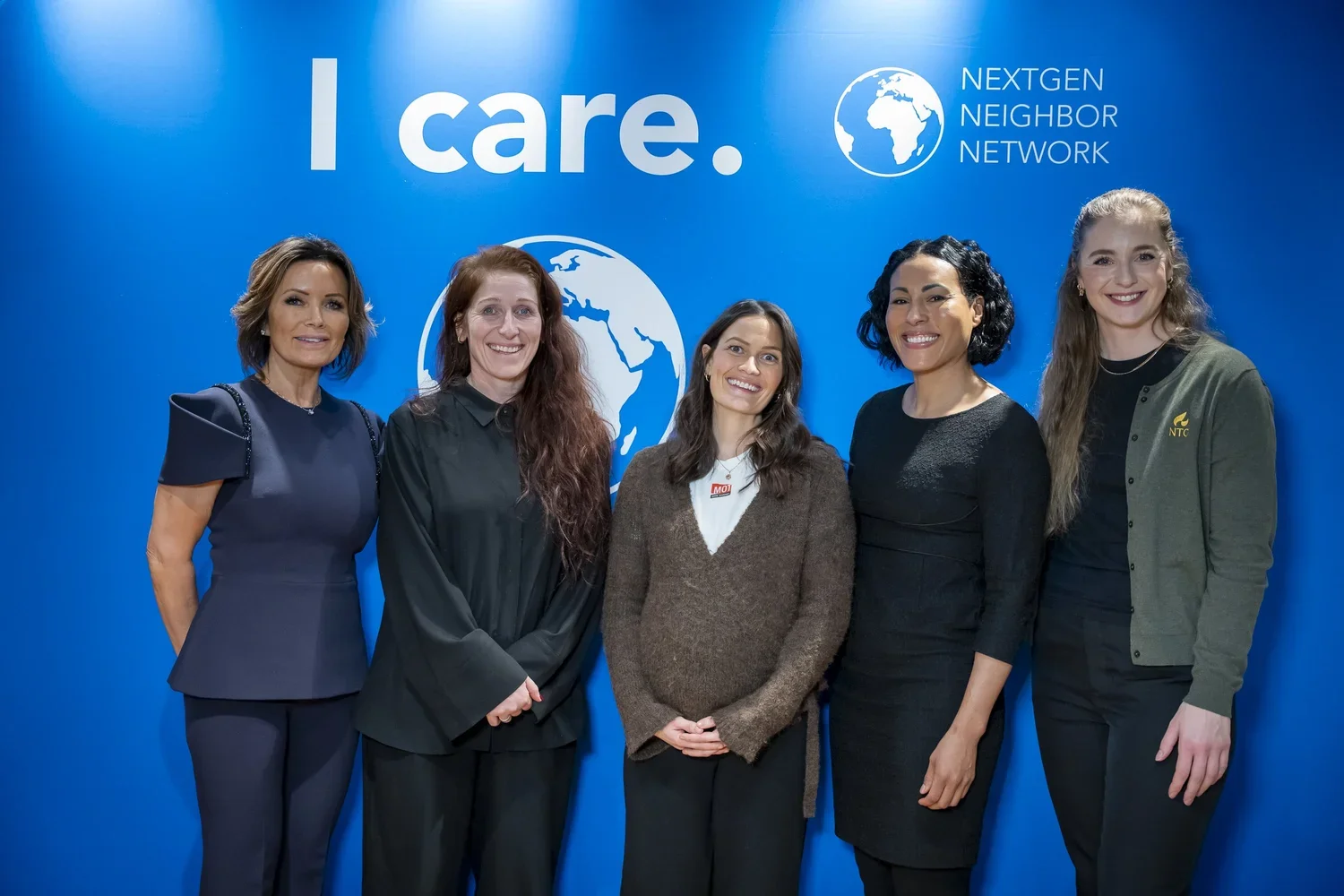
Photo: NTG + METEVA SPORT OG HELSE // THE POWER OF SPORT FOR COMMUNITY AND DEVELOPMENT SEMINAR at House 21
Finding a New Sense of Purpose Through NTG I Care
While Ida was competing professionally, she studied sociology, and her bachelor’s thesis focused on the inclusion of ethnic minorities in organised sport in Norway. She has always been interested in people, in what creates a sense of belonging, and in what enables someone to develop and pursue their own ambitions. One thing her own career taught her is that even the people who appear the strongest or most successful have challenges you may know nothing about. That has made her more aware of how quickly we judge people based on what we see from the outside, and how much we can gain by being more curious about people who are different from us, about their experiences, their challenges and their strengths. To Ida, that is an important part of social responsibility, being open to other people, making an effort to include them, and understanding that we all have something to contribute to the communities we are part of.
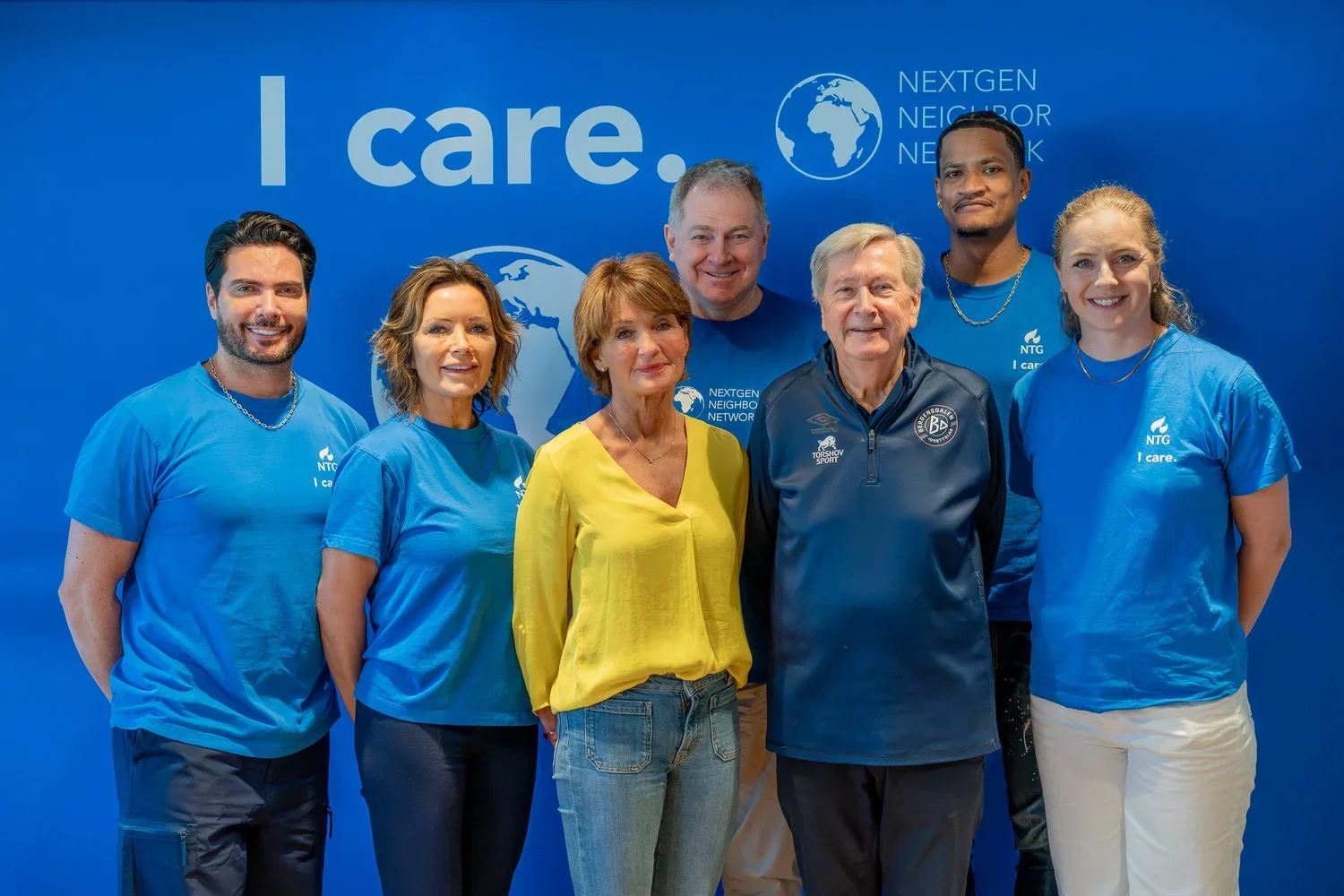
That is a big part of what attracted her to NTG I Care. The initiative which is in partnership with NTG and NextGen Neighbor Network includes important topics close to her heart such as young people, sport, inclusion, belonging and social responsibility. It is about creating stronger communities, but also helping young people understand that they have a role in creating those communities themselves.
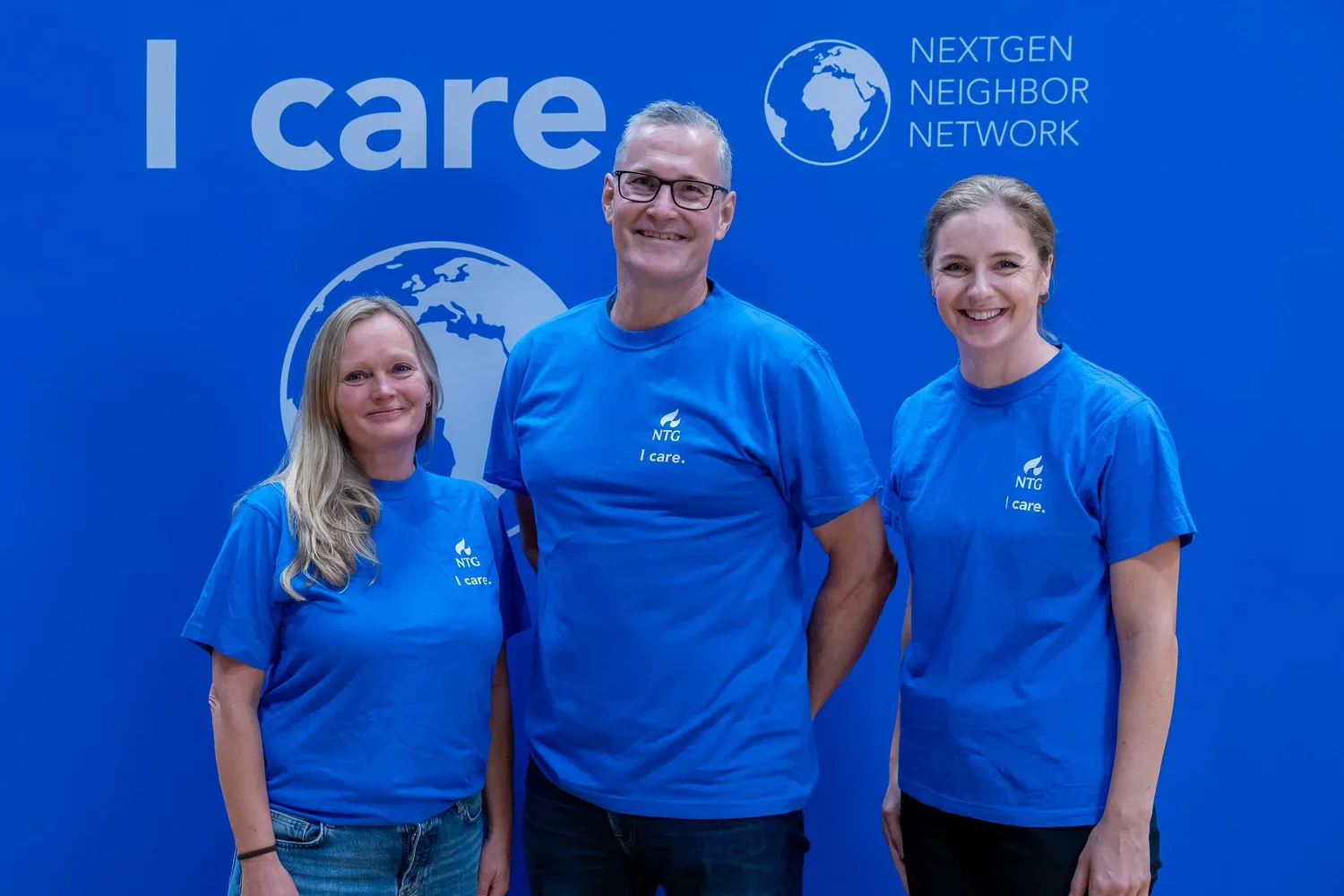
The NTG I Care Scholarship Program and Creating Opportunities
Ida has experienced some of the financial barriers that come with sport herself, even though she also knows that she has been very fortunate in terms of where she was born and the support she had around her. She strongly believes that young people should have the opportunity to pursue their ambitions, regardless of their background, their family’s financial situation, or even which sport they choose. The NTG I Care Scholarship is a very concrete pathway of helping to create that opportunity. That is also why she has so much admiration for NextGen Neighbor Network Founder, Louise Mohn and her family’s generosity and commitment.
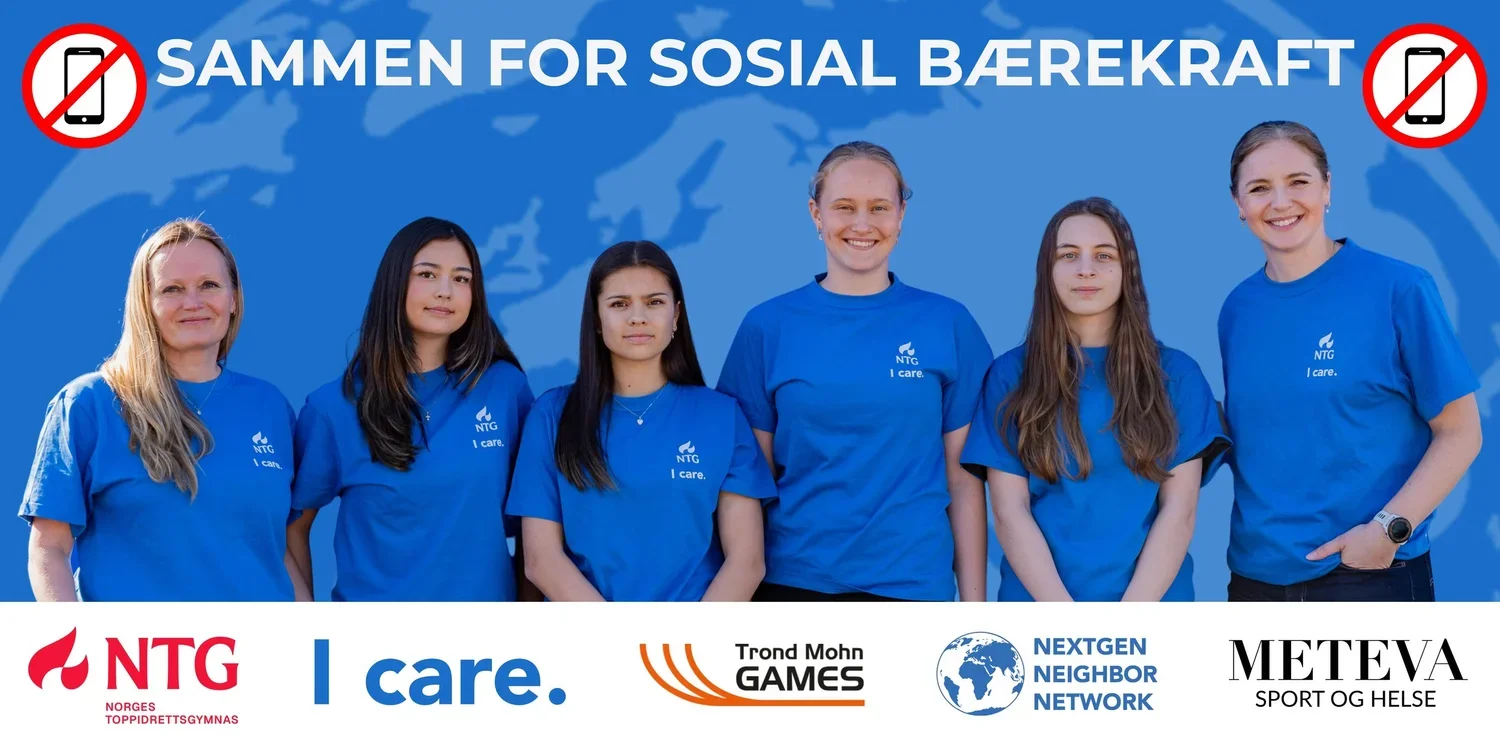
A Message to the Next Generation, Especially Young Female Athletes
Elite sport gave Ida experiences she could never have imagined, where she was able to meet incredible people, travel the world and learn a lot about herself. She wouldn’t be where she is today without those years, and for that, she is deeply grateful. At the same time, it also required a lot of sacrifices, and looking back, she thinks it is important to be honest about that too.