
Basketball: A Tool for Integration, Development, and Belonging
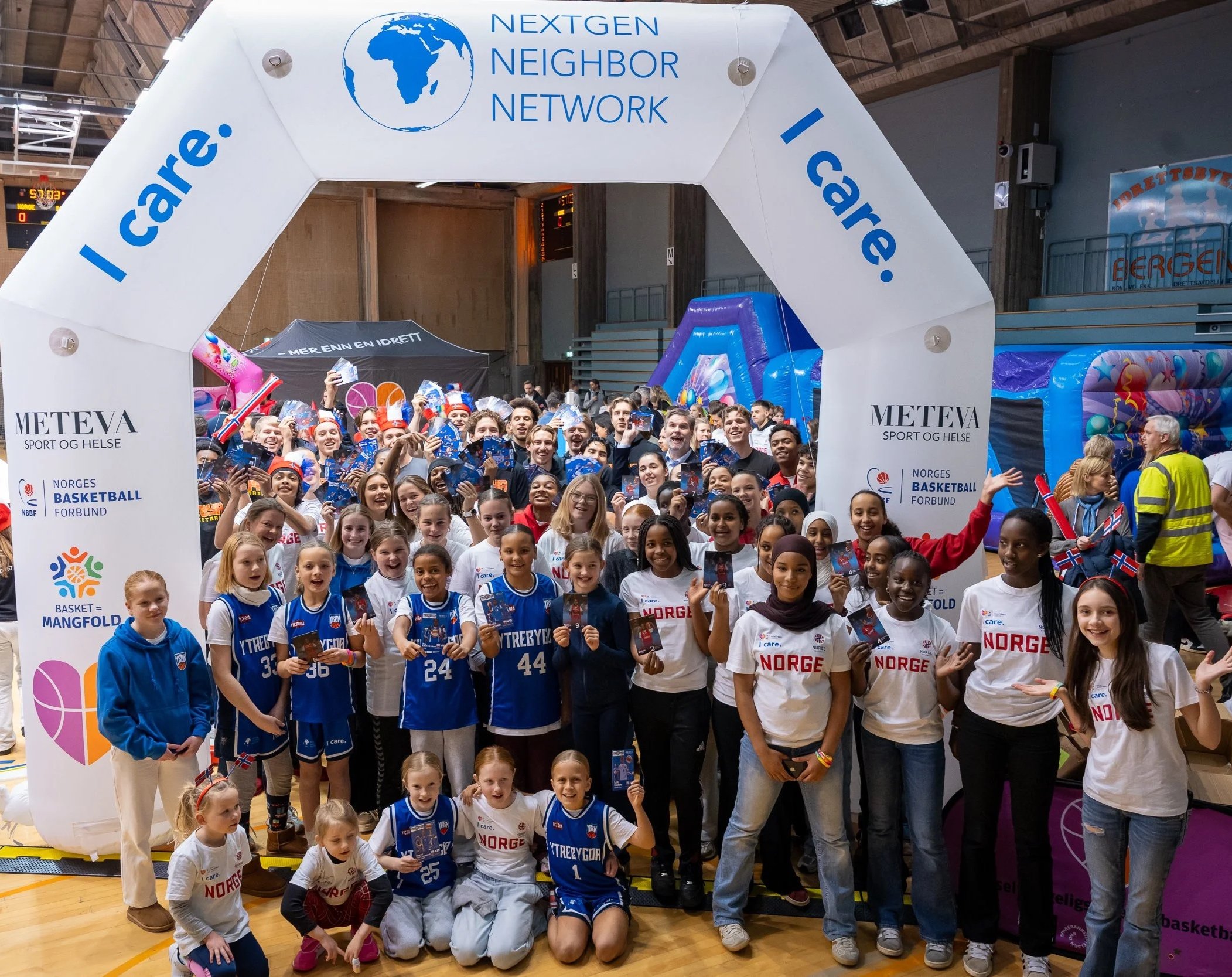
The Women’s National Basketball Game gathered BLNO Women’s and Men’s teams from Ulriken Eagles, Frøya, Bønes, and Gimle, alongside other schools, sports leaders, teachers, and role models, who came together to engage with children both on and off the court.
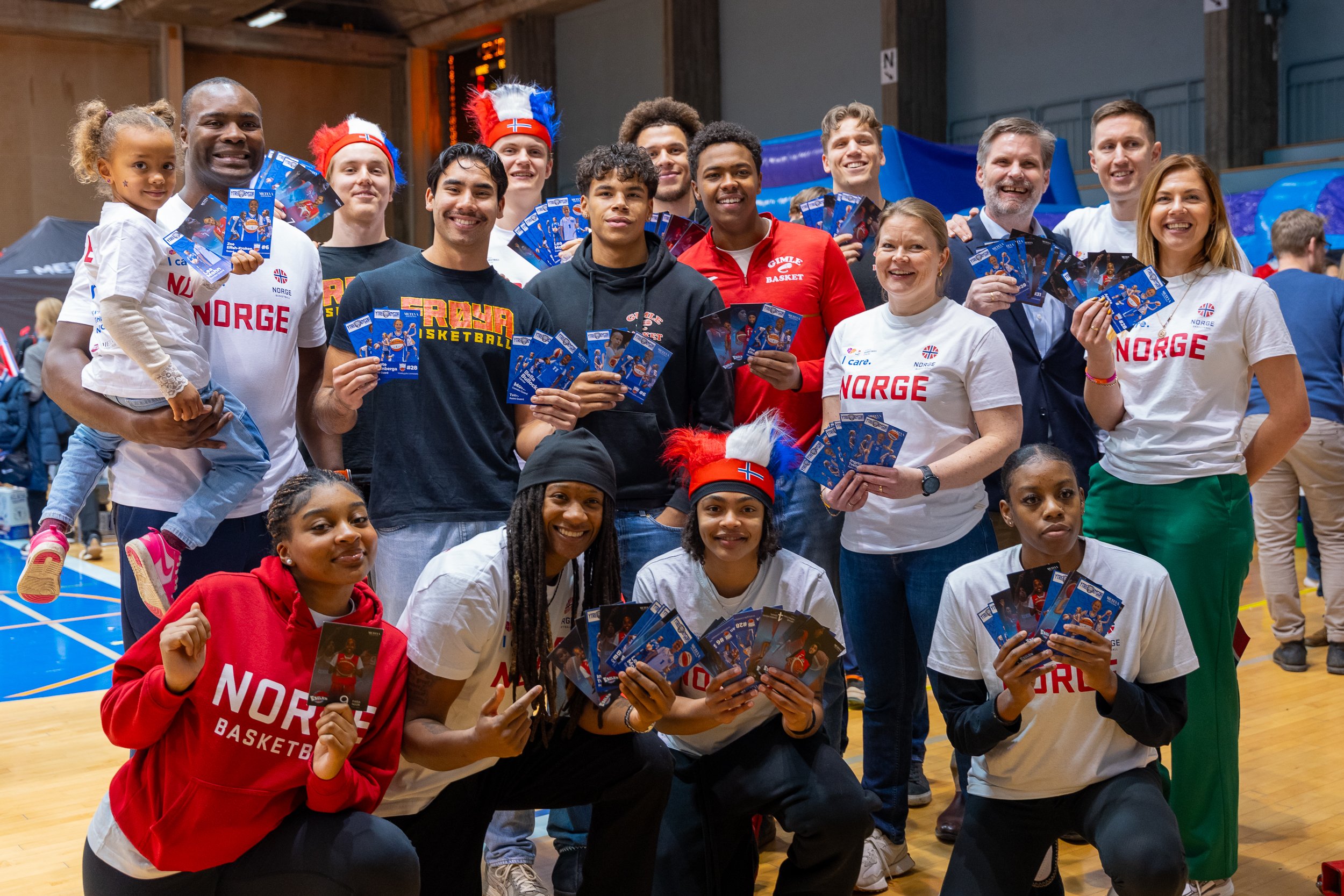
This was part of the NextGen Neighbor Network Girls Initiative. Through Basketakademiet, a collective social responsibility initiative in Bergen, Norway focusing on nurturing and increasing relational welfare, basketball role models mobilized to engage with children and spectators before and during the National Game.
Jan Hendrik Parmann, President of the NBBF, was also present, both on the basketball court and in the stands, connecting key individuals across all levels of the sport, from grassroots clubs to elite basketball, and continuing to bridge for inclusion within the basketball community.
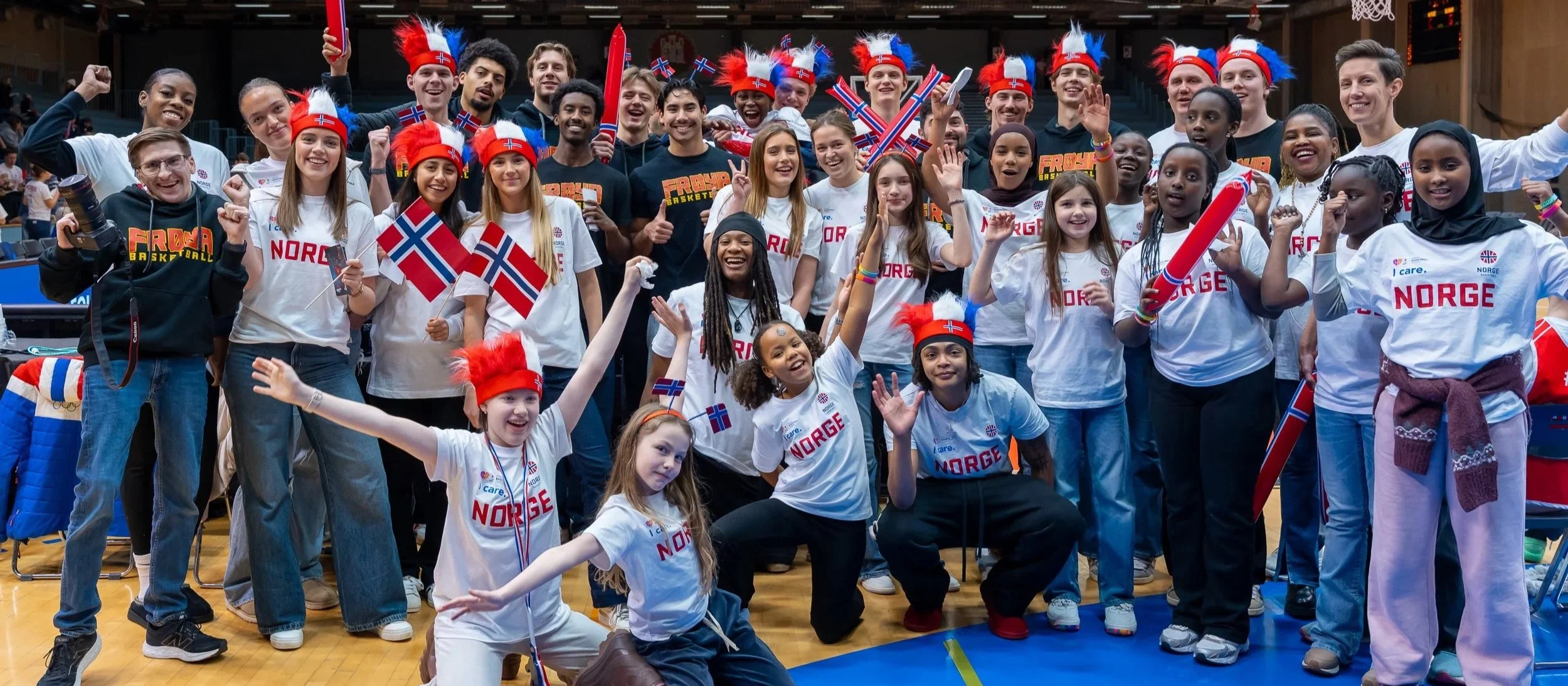
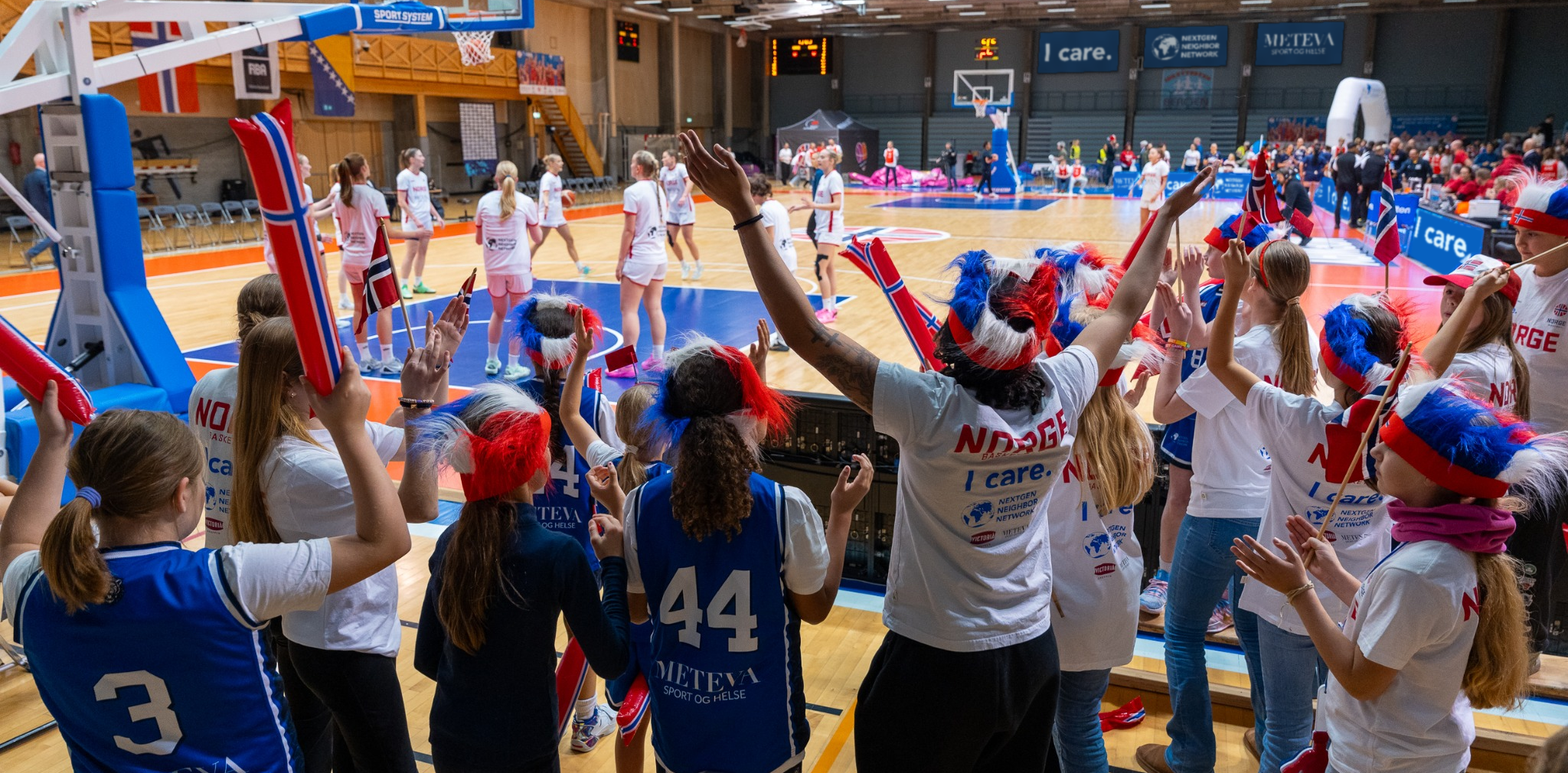
The pre-game event featured fun activities and poster-making for young fans to cheer on their super female role models. The BLNO role models showed up for both their teammates on the court, as 9 out of 12 players come from Bergen. They also showed up to support the children they all know so well from local BLNO games, homework projects, LIM, young leadership programs, and all the free-of-charge camps during school breaks at Basketakademiet.
They showed what it means to engage with true character as they connected with their young cheering squad, especially young girls, demonstrating how sports play a significant role in developing connections and nurturing relationships. After all, children develop in and through relationships.
When girls see, speak to, and learn from women who embody both athletic and academic excellence, they begin to believe in their own potential.
Inclusion at the Heart
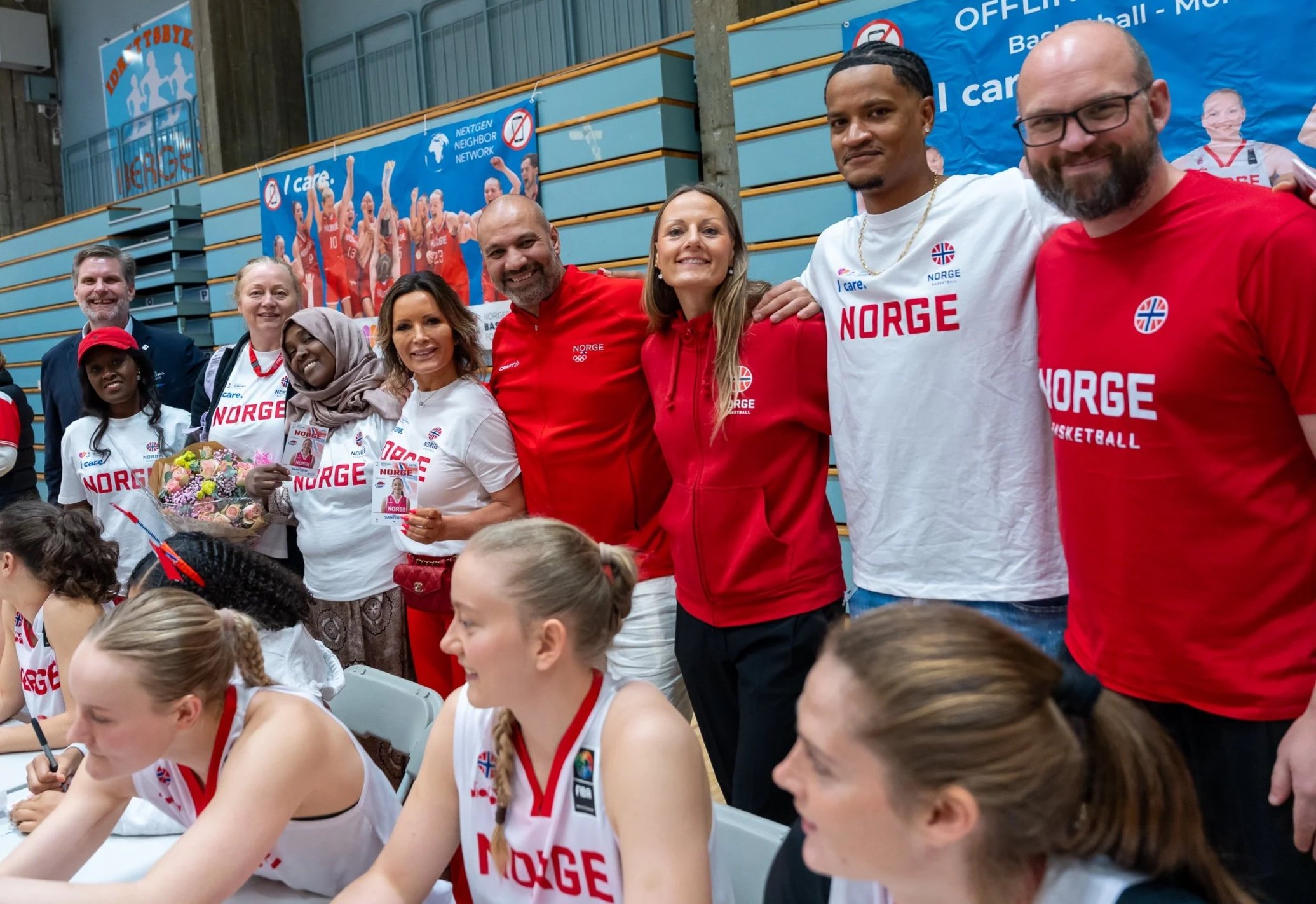
Many of the national team players come from basketball families where the sport is a way of life. Bergen, Norway examples include families like the Austgulens, Sørbye, Jacobsen, and Sanfords from the Ulriken Eagles, who have been part of the club’s 56-year history of integration and social responsibility.
Ingvild Sofie Sanford works full-time at the Inclusion Center at Landås. She has made basketball a lifestyle and is a champion of inclusion, serving as a coordinator and Sports Director of Ulriken Eagles, a trusted parent liaison, head of the girls’ development program, and on the board of Basketakademiet in addition to still being an active player herself.
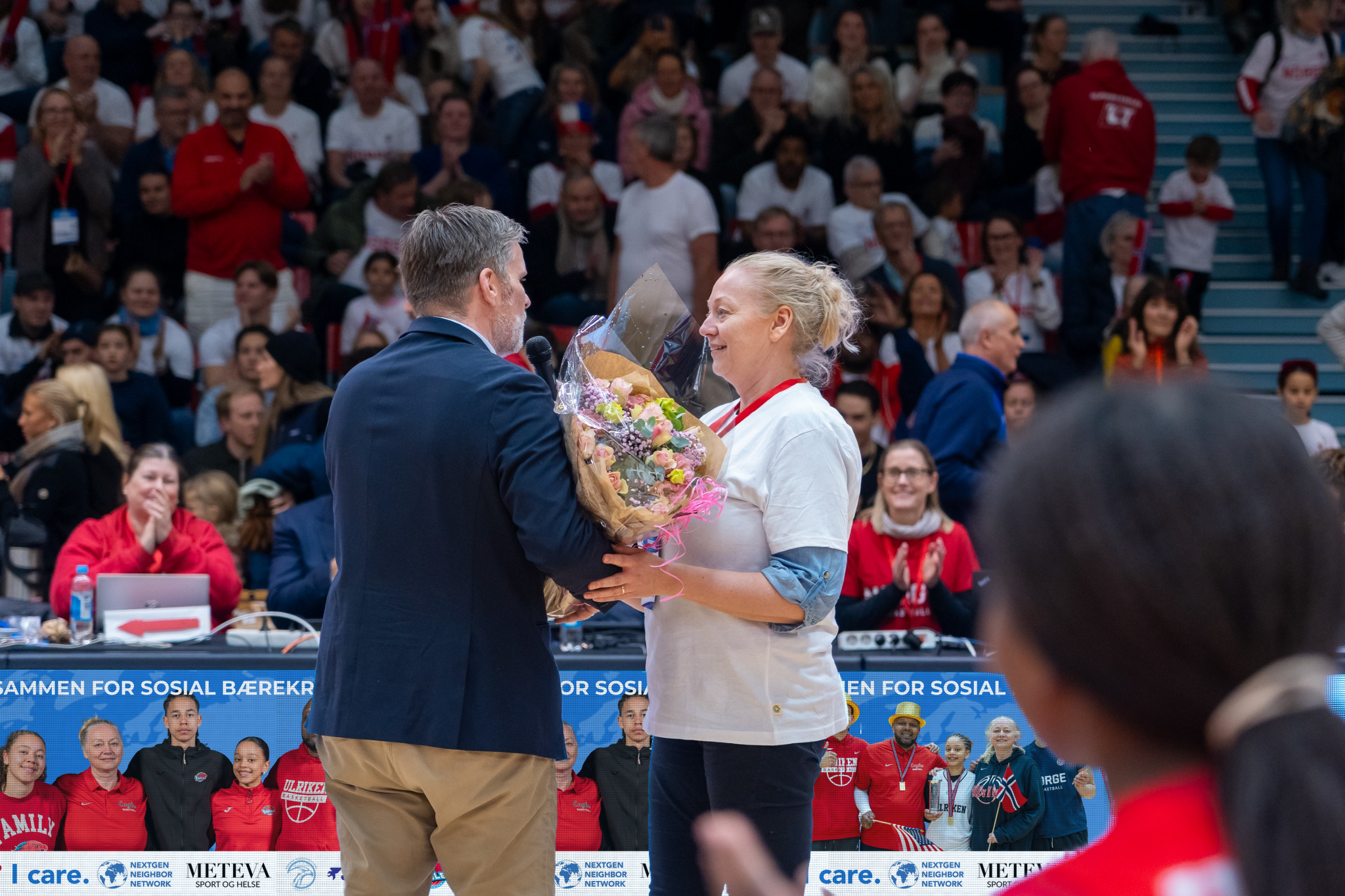
She drives other people’s children to and from practices, games, and tournaments, to make sure everyone can participate. She also has four children of her own with Ulriken Eagles coach Durell Sanford, all of whom have been selected for Norwegian national teams.
One could say that the commitment to inclusion, belonging, and compassion for the community runs deep.
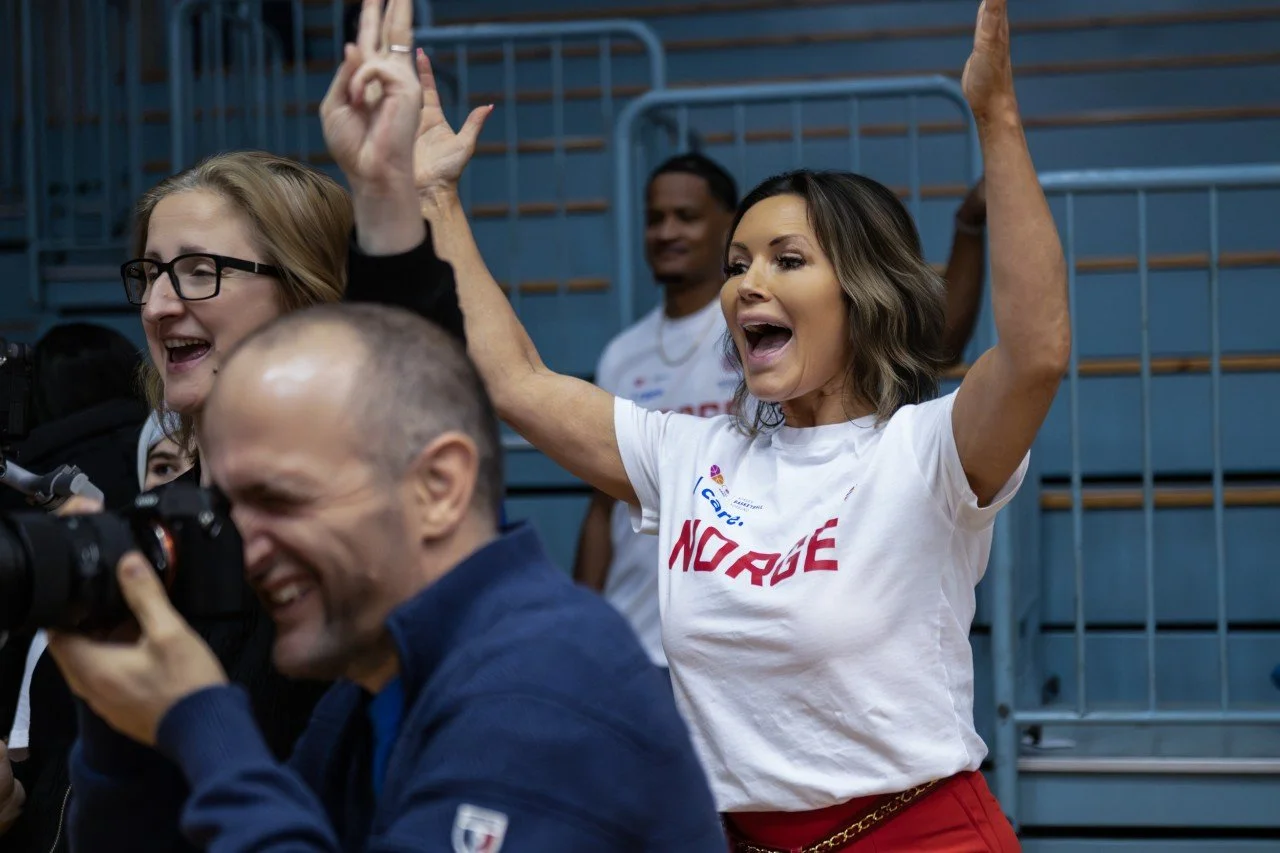
A former national basketball player herself, Ingvild Sanford has a long history and friendship with NextGen Neighbor Network founder Louise Mohn, who is sponsoring the Girls Initiative and the Women’s National Basketball Team.
The two were teammates as children in Gimle Basketball Club, alongside other current basketball leaders such as Camilla Hovig, who also played on the national team, and now serves as medical doctor for both national teams and Coach for Kirkevoll Girls Initiative.
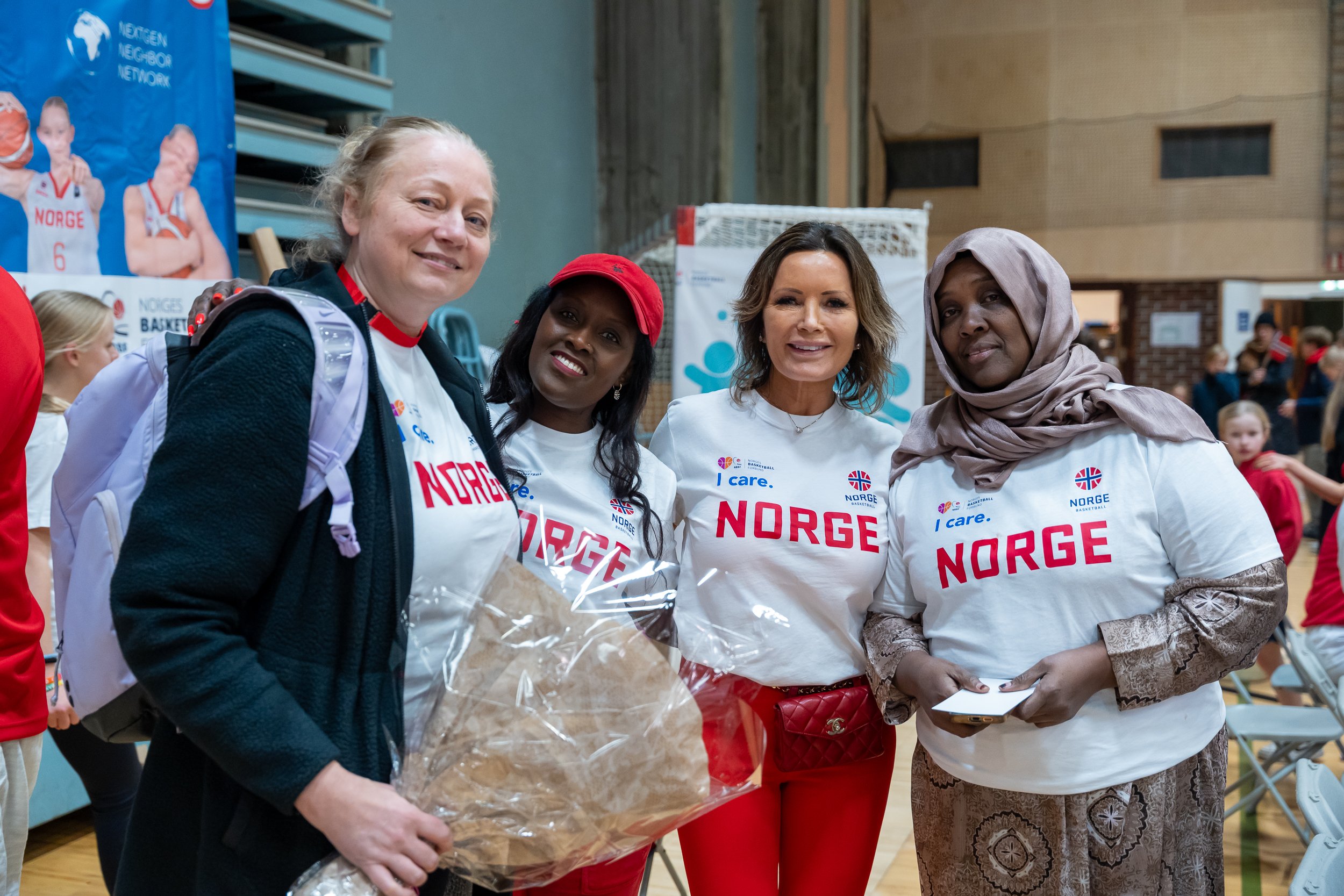
Their shared history once again demonstrates the deeply rooted ecosystem of sports and social responsibility that continues from generation to generation.
From young girl athletes to leaders in social responsibility who now support young girls, the cycle continues throughout Bergen, Norway.
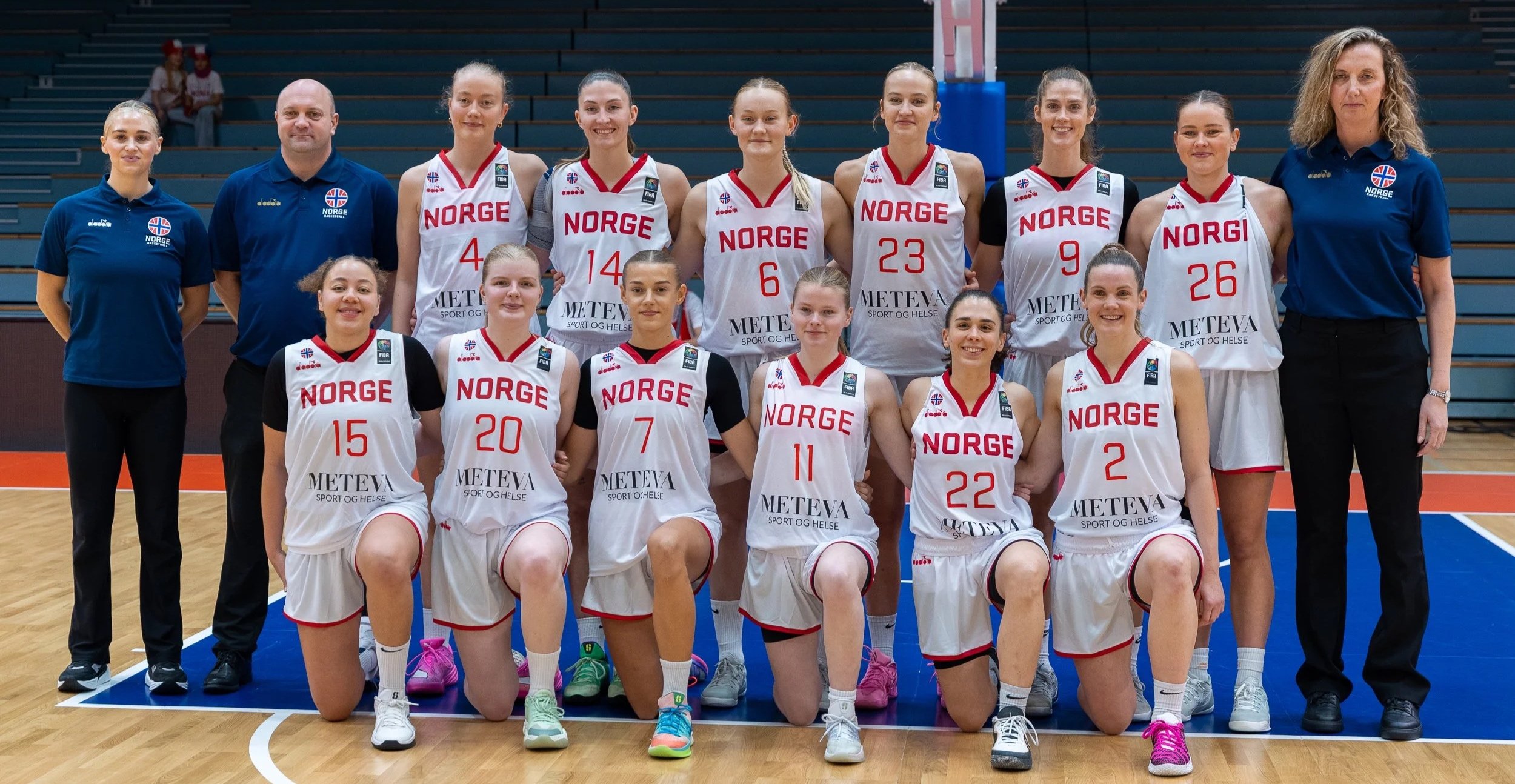
Super Female Role Model Athletes
Each player on the national team embodies dual excellence, both in sport and in life especially academically. National athletes carry an X-factor and represent the country’s flag and deep rooted values of the Norwegian Sports Model. Their dedication, discipline, and resilience are visible on the court and beyond. Norway’s Women’s National Team players are elite basketball athletes and accomplished professionals, including doctors, engineers, psychologists, lawyers, and economists, along with coaching younger children. One national player is even a mother herself (!).
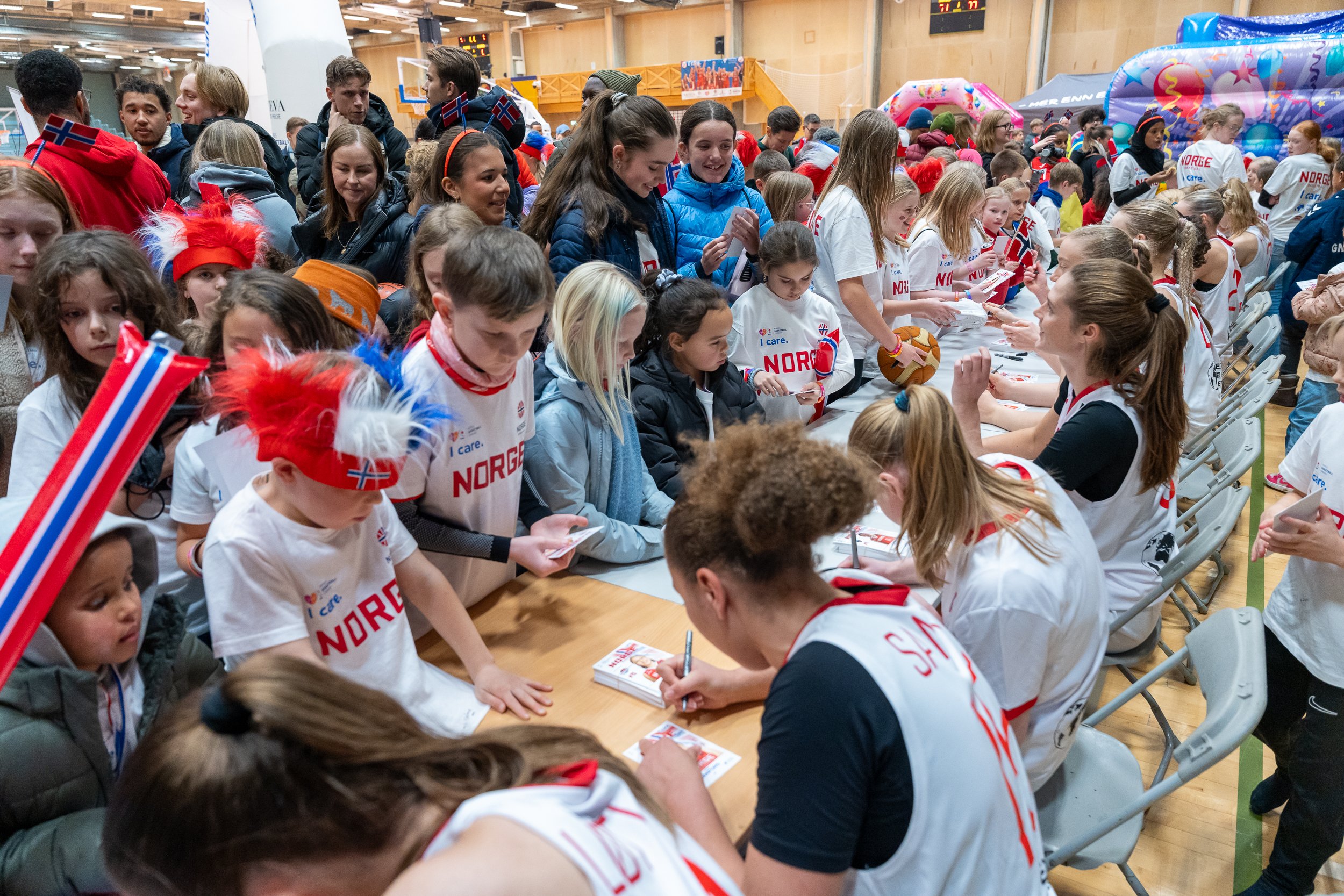
The relationships between children and their role models are a key example of how relational welfare is highlighted through sport and how sports contribute to youth development, confidence, inclusion, and belonging.
Throughout the Bergen region, BLNO women serve as visible and consistent role models for children. They lead by example, mentor in LIM project, SFO, homework assistance, Basketakademiet, join Open Gym sessions and social nights with adult supervision. They even visit local schools.
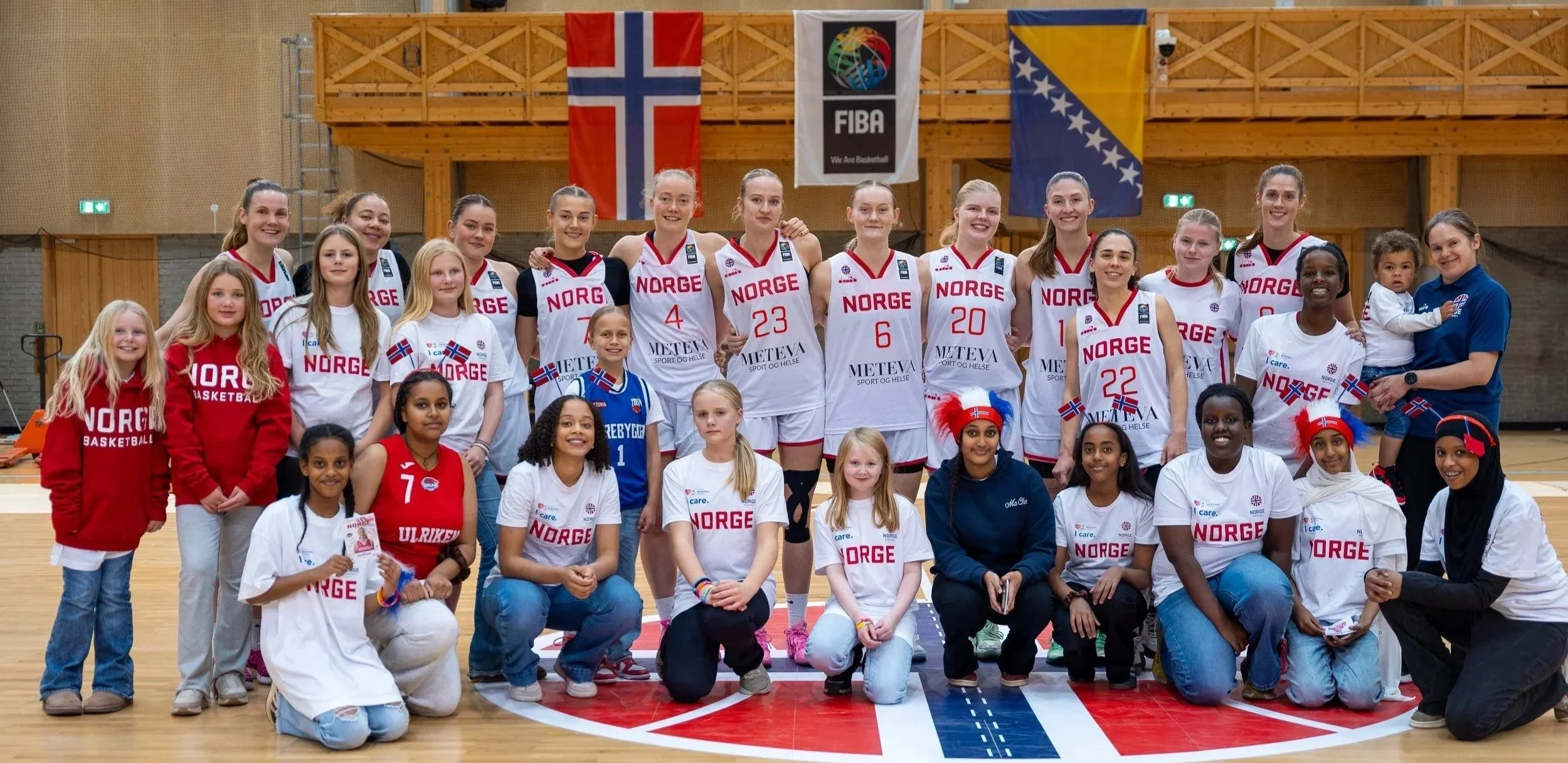
Frøya Basket’s homework project is one example of how professional athletes can inspire young people both in sports and in the classroom.
When young people form safe, close, and positive relationships with top athletes, these connections create a healthy platform for physical, mental, and emotional growth.
These connections are built face-to-face, and not digitally. In fact, the whole community has banned phones in the basketball arenas where the BLNO players encourage children to nurture higher awareness instead of doom scrolling on their phones. When a girl sees herself training and socializing like the athletes mentoring her by physical presence, dreams start to feel attainable.
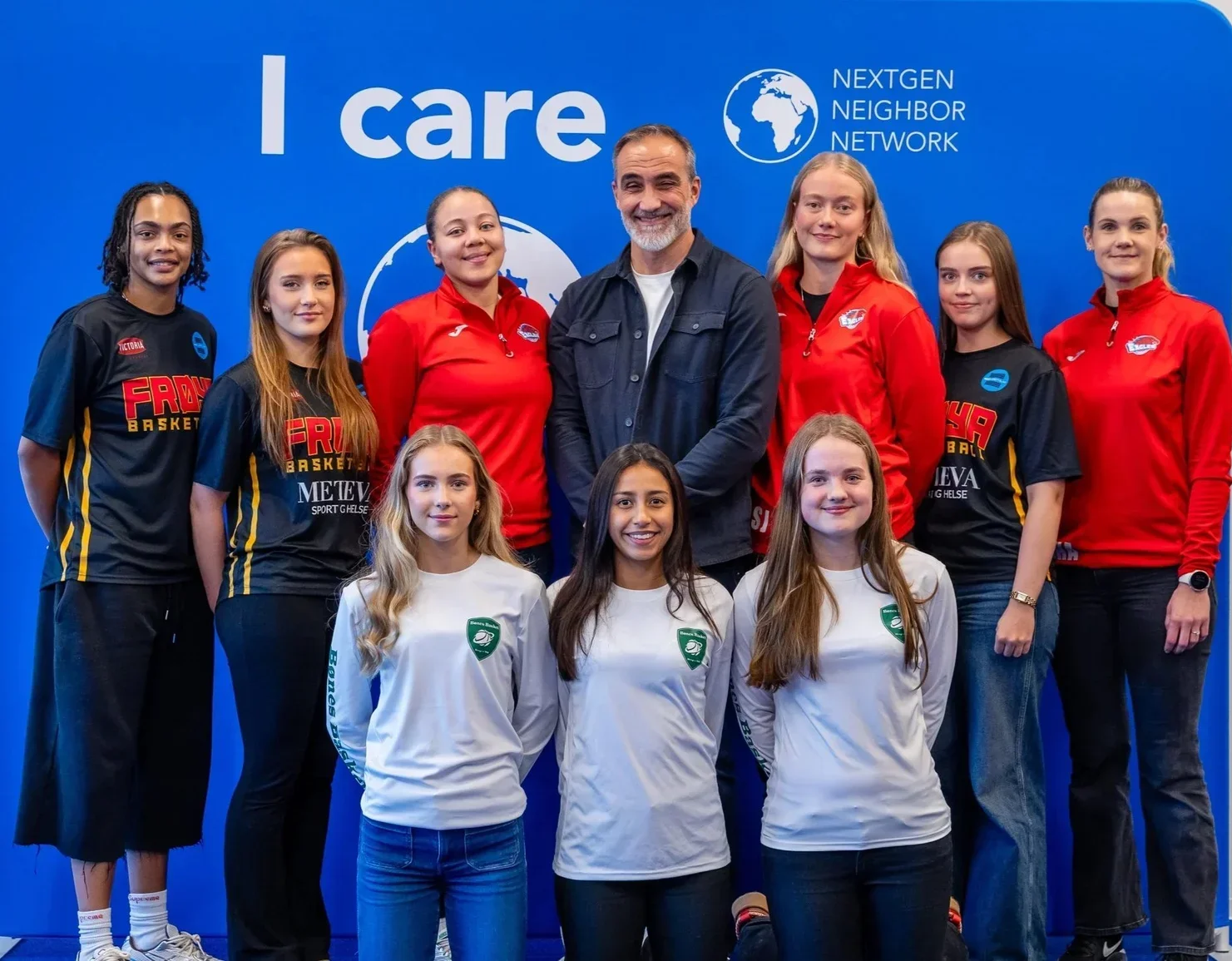
Psychology specialist Zemir Popovac, who mentioned NextGen Neighbor Network in his new book, Youth Crime – Pathways In and Pathways Out, explained it best:
“Sports' role in society is about developing human contact and nurturing relationships over time because all children develop in and through relationships.”
“The collective interaction and engagement of coaches, trainers, sports leaders, parents, and volunteers with young people are more important than scoreboards. These connections are key to securing relational welfare.”
Girls Reverse With Role Models
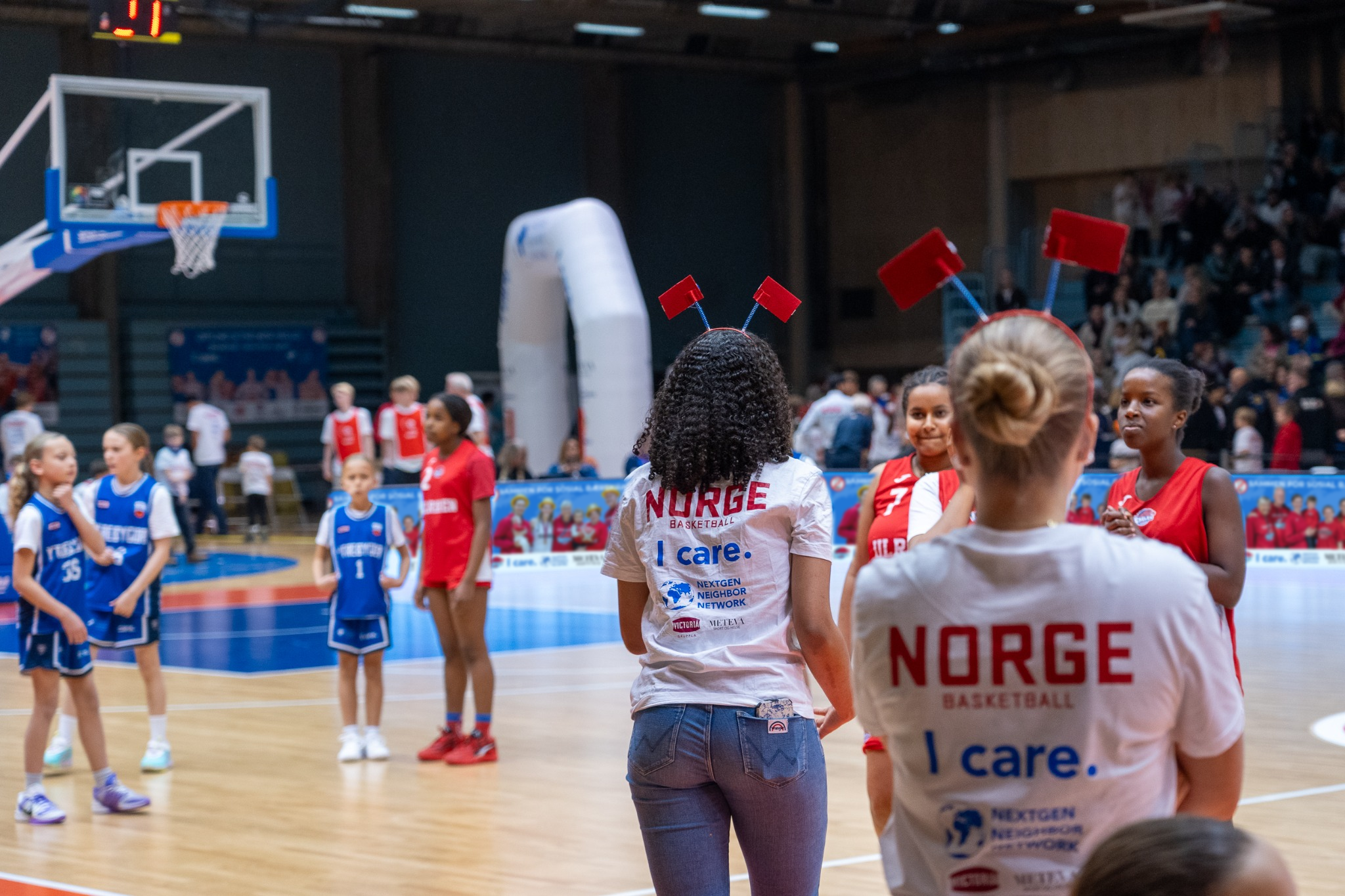
At last night’s Women’s National Basketball Game against Bosnia, the women’s national team players reversed their roles, giving the young girls in the stands the chance to take the court themselves.
Through games and participation, the girls had the opportunity to experience what it feels like to play in front of 1,400 spectators, have their player cards signed by their role models, and feel the excitement of what it might be like to become national basketball players.
Standing in their shoes for one night, with the sound of cheers surrounding them and their female role models beside them, is an experience of a lifetime and a moment they will carry into their everyday lives.
More Than A Sport
Basketball is more than a sport. It is a tool for integration, youth development, and belonging, where relationships built across generations nurture confidence, opportunity, and a shared sense of community.
From those who will follow in their role model footsteps, the ecosystem of sports and social responsibility continues, one relationship, one role model, and one generation at a time.